Tomb Chapel of Raemkai
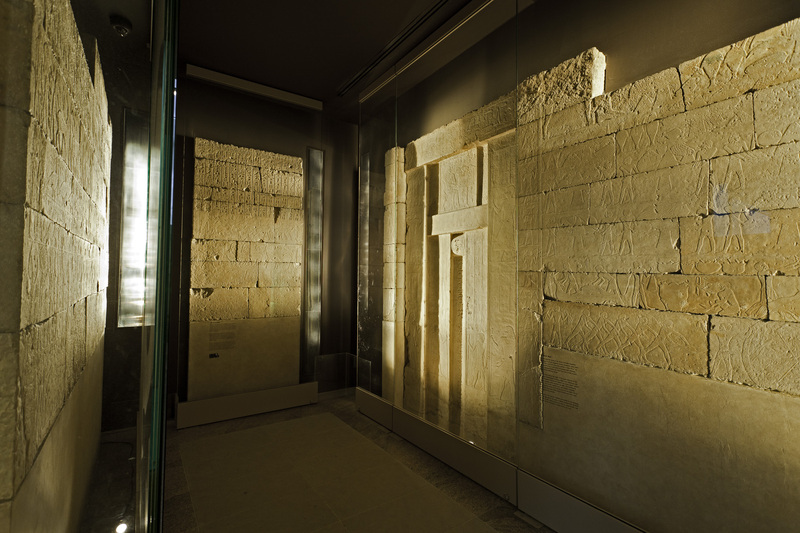
To the right is a recreation of the Tomb Chapel of Raemkai, a literal segment of an Egyptian tomb which has been excavated and rebuilt within the halls of the Metropolitan Museum of Art. Examine the intricate carvings in the walls, and the precision with which they have been done. This is the sort of work that also decorates the interiors of other Egyptian tombs, intricate carvings dedicated to the ruler entombed in each. One problem that ancient astronaut theorists have with this is that tombs are dark. This type of work undoubtedly requires light to complete, but torches would leave heavy soot residue within the halls, which is not present. So, then, how were carvings such as these completed? Their answer: Aliens.
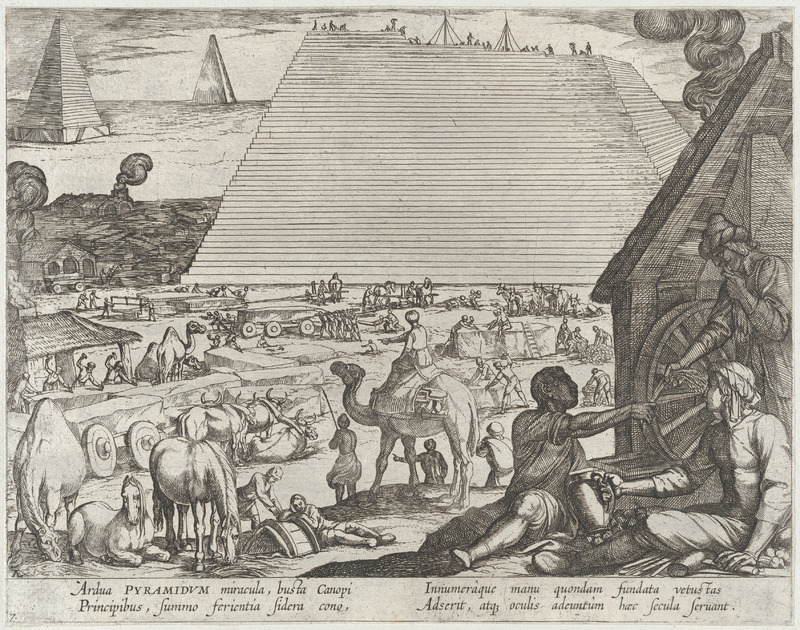
In reality, there are numerous explanations for this phenomenon (a lack of significant soot buildup) that are much more reasonable than aliens or electric lighting. These explanations include the possibility that wall carvings were done as the pyramids were being built, before the given rooms had ceilings. Take the below illustration, for example, which shows one proposed way that the pyramids may have been built. Another is that the Egyptians had access to materials which did not burn with as much soot as traditional torches. Regardless, there is no evidence to support the idea that the Egyptians utilized electric lighting, such as bulbs, filaments, or wires.