Introduction
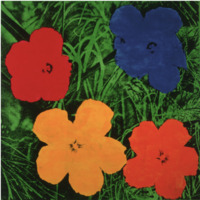
Pop art as a movement was a collection of artists representing ambiguous ideas and not forcing a certain look to the art of the movement. One of the main ideas behind Pop Art was separating the artist from the art, making the hand of the artist barely visible. This was done by leaning into mechanical production and not so much focusing on having an artistic style or look, but rather building into artistic creativity. These artistic measures, using and representing mass-produced media, blurred the lines between fine art and pop culture. The movement represented a collective change by “young geniuses” at the time trying to break from tradition and create a complete depersonalization of art pieces. Pop Art was a confluence between the surge in consumerism, mass-media, and the death of Abstract Expressionism, yet many artists we now consider Pop artists failed to identify themselves with the movement.
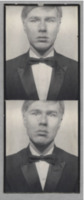
When people think of Pop Art what comes to mind is bright colors and comic style paintings that reflected the pop culture of the period. Although this is ultimately how the period is defined today, it fails to highlight the ambiguities within the art movement. Andy Warhol (1928-1987) was a leading figure of the Pop Art movement and was well-known for his colorful screen prints, paintings and images of celebrities, and depictions of everyday objects. Through his use of screen printing or painting images of popular celebrities, Warhol was able to blur the lines between pop culture and art by pointing out the consumerist nature of the US. He has multiple pieces that are repeated print images of the same object or person, underlining how mass-produced media has changed the general viewer’s perspective on what art is. He was also big on calling out newspapers and outlets demonstrating the desensitization that has been occurring due to the way the media portrays issues and problems. Warhol himself viewed the movement as a way for artists to explore any style and look without it feeling like they’ve abandoned a way of life.
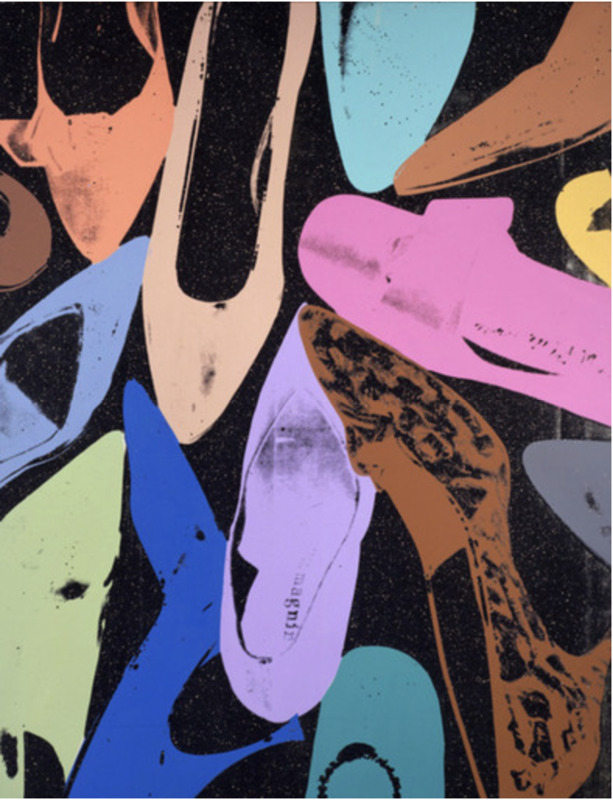
Curatorial Statement
The Pop Art movement was extremely impactful to the way in which art is viewed today, the materials used for art, and the accessibility of art. By looking into Andy Warhol as a key figure of the movement one can learn how the ideas of the movement took shape. The movement emerged during and after the post-World War 2 and Cold War period, marking how these artists were reacting to these dark times. The economic and social norms of the US revolved around consumerism and spending the hard earned money that one made. Yet Pop Art hoped to open the public's eyes to the things that had been lost or undermined to these new habits, and ensure they knew the dangers of only viewing the world through these ideals.
The Pop Art movement is often defined as a depersonalized art movement that allowed artists more freedom, yet Warhol's art typically carried clear messaging. The exhibit is separated in themes of the particular message Warhol was meaning to convey. Throughout the exhibit as a whole there is an underlying theme of consumerism and pop culture intertwining with art marking a new period and perspective on art. By particularly honing in on Andy Warhol's art, I also hoped to uncover why his art remains the most influential and recognizable of all the Pop artists.
This exhibit will examine Warhol's art through three major aspects: impersonalization of the artist, the irony of using certain technology to parody or call out consumerism and mass-produced media, and the way in which his art broke barriers and connected to a broader audience.