Consumerism and Mass-produced Media
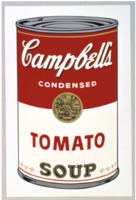
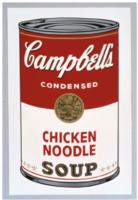
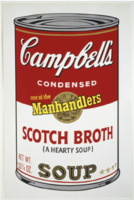
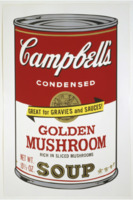
Using screen printing Warhol was able to speak on the heavy consumerism of the period by producing and manipulating common household products of the period. Screen printing was one of the easiest ways to do this because he could quite literally create the same stencil used by the advertiser or newspaper to create the same object. Warhol was prone to recreating the images of these products with slight flaws so that it was still detectable that a person made it, but also highlight the cracks in the public's own consumerist mindset. One particular example of this was his multiple screen prints of Campbell soup cans. What might seem like an art piece with no meaning and no real importance to it was actually Warhol purposefully putting the image of a can that people knew, and copied almost to perfection to underline how the consumerist mentality of the states had made them lose interest in the content of art, but rather the look. As well, his decision to create dozens of screen images of Campbell soup cans that precisely depicted multiple varying soup cans, was not out of mere lack of creativity or boredom. But it was also intentional, in order to demonstrate the repetition of mass-produced, consumerism media, and underline how easy something like screen printing would make it. Warhol was able to demonstrate consumerist mindsets while also demonstrating the new ways in which artists were using technology to their advantage.
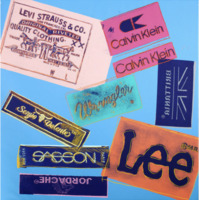
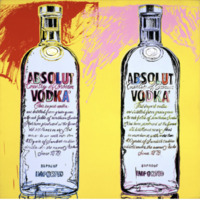
Screen printing, however, wasn't the only way he did this. This only further solidifies the fact that he wanted to make a statement on this and knew that he could grab people's attention by reproducing images of objects or symbols they knew. Things that everyday people would recognize would draw people to look into the art he was making because it wasn't usual for an artist to put recognizable works of mass-produced media in front of their faces. Warhol was breaking this barrier by creating whole exhibits full of replicated mass-produced media. Pop Art underlined how consumerism “had forced the potential complexity of human perception into a monotonous and one-dimensional straitjacket,” where all emphasis was on the entertainability of the language rather than content. Warhol used this mass media and the technological processes to their advantage though. The parodying of recognizable brands provided the irony of this new hyper-dependency on ever-changing fresh media.
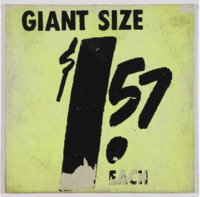
This more clearly defines how these artists viewed their own work and underlines how deeply connected consumerism and mass media was with the movement. Pop art was an explicit reaction to the post WWII economy and this new emphasis on flashy, consumerist mentalities in the news and media . The obsession with money was a sign of the times and represented the increase in marketing that made it easy for these artists to connect art with pop culture. Companies were already making more targeted media for their products to get the consumer to buy it, allowing Pop artists to bridge the gap between mass media and art. This combination between breaking traditional art rules and forms, and pointing out the changing world’s dependency on mass-produced consumerism is ultimately the true conceptual connection between all the Pop artists of the time.