Stars of the Screen
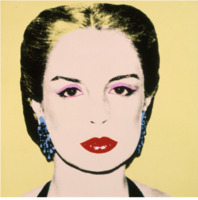
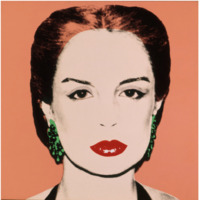
Warhol is very commonly known for his depictions of popular artists, actors, or political figures in his art. It was not uncommon for him to create a screen print or an acrylic painting of important pop culture figures. As said in previous sections repetition is a big part of his art, and adds to his story. In his prints or paintings of famous figures this does not differ, and rather hints at a deeper meaning behind his conclusion to depict these people. His decision to do this ties together where Pop Art got its name from. By using pop culture, music, advertisements, and technology Warhol was able to bridge the gap between art and pop culture. Through these depictions he was able to connect to a broader public due to their recognition of individuals in his art.
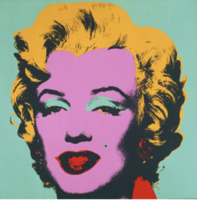
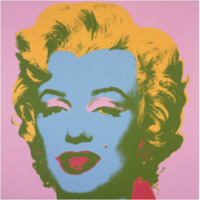
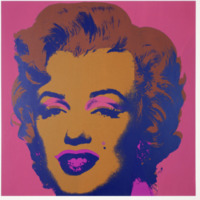
One of his most well-known and reprinted depictions of a pop culture icon are his multiple different colored screen prints of Marilyn Monroe. The famous prints were created 5 years after her unfortunate death in 1962, yet they still held the power of her fame. Warhol however did not recreate these images of her due to him wanting to simply depict her beauty or her fame. Warhol used a cropped publicity still taken by Gene Korman from Monroe’s 1953 film Niagara as the base for more than 50 paintings and dozens of prints. The amount of prints he made significantly contributed to the enduring popularity of the star’s image, as one beyond her beauty. The prints, like the one here, show Marilyn Monroe’s face rendered in unnatural shades. Warhol varied the colors from natural flesh tones, underlining how screen printing allowed him to use the image as blank canvas for him to customize. As well, the choice to represent her in unnatural colors provided her with a legacy that did not revolve solely around her looks and beauty. As well, by not forcing himself to stick to natural colors, it allowed him endless combinations of prints that he could produce of her.
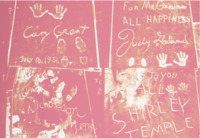
Warhol was able to demonstrate his ability in coloring and screen printing through the works he produced related to pop figures. Beyond portraits he would also reproduce images of important places or engravings they might have left. Whether this was physical or the emotional impact left behind by the person, Warhol still proved that having pop culture in art was not necessarily a bad thing. As much as the movement primarily called out people's over-consumerist ideals or the way in which mass produced media was ruining art, it still used these technologies and ideas to its advantage. Warhol was a major player in this who had multiple depictions of people and places of high importance to the population, while still maintaining an artistic view and palette.