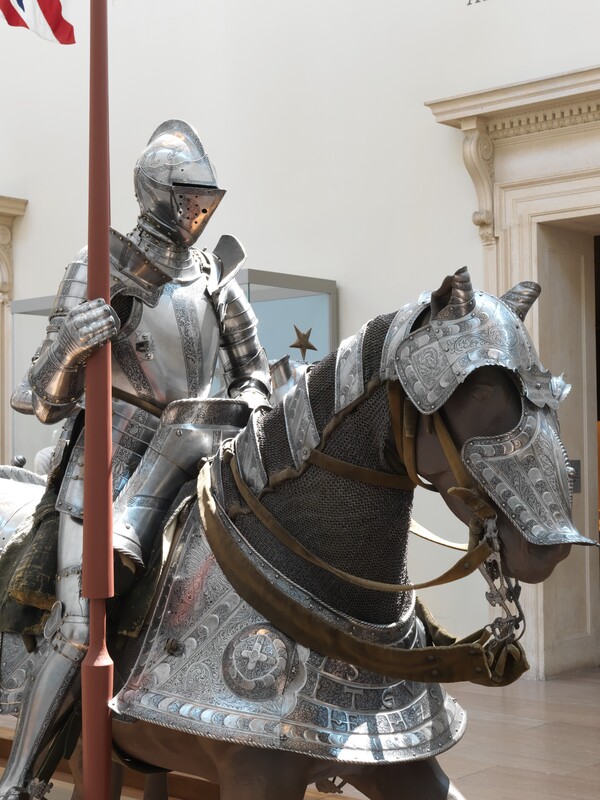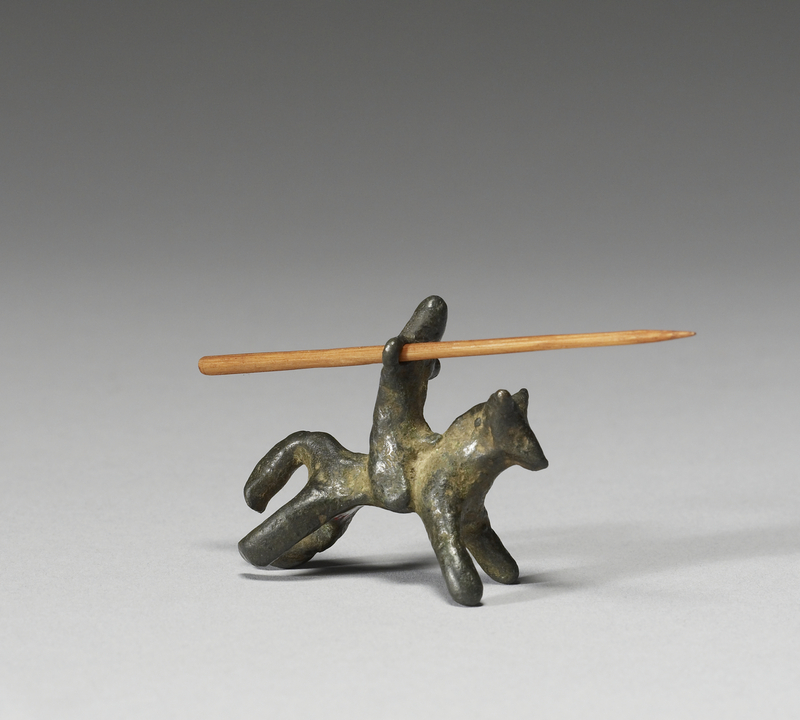
The image of medieval society is often portrayed in a drab light with images of serfs toiling in the fields, muddy streets, plague, crusades, and castles. Yet, the medieval period was a much more colorful and playful place than is often portrayed. As Noel Fallows states in the introduction to A Cultural History of Sport: In the Medieval age “Sport is a cultural continuum from antiquity to the present”. Sport is something that connects the cultural past to the present and one of the defining sports of the medieval period was the tournament. The medieval tournament was a martial sport in medieval Europe that represented an important segment of cultural identity to many in the upper echelons of society from the late tenth century through to the sixteenth century.
The tournament was a dynamic and vibrant cultural performance in the Middle Ages. Part combat, celebration, and political theatre the tourney was much more than an opportunity for knights to hone their skills in battle. These complex cultural performances provided a pageantry and prestige that reinforced social hierarchies as well as displays of political and military might. It advanced the ideals of chivalry and provided communities a chance to engage in and witness sport, just as people in modern times fill baseball stadiums.
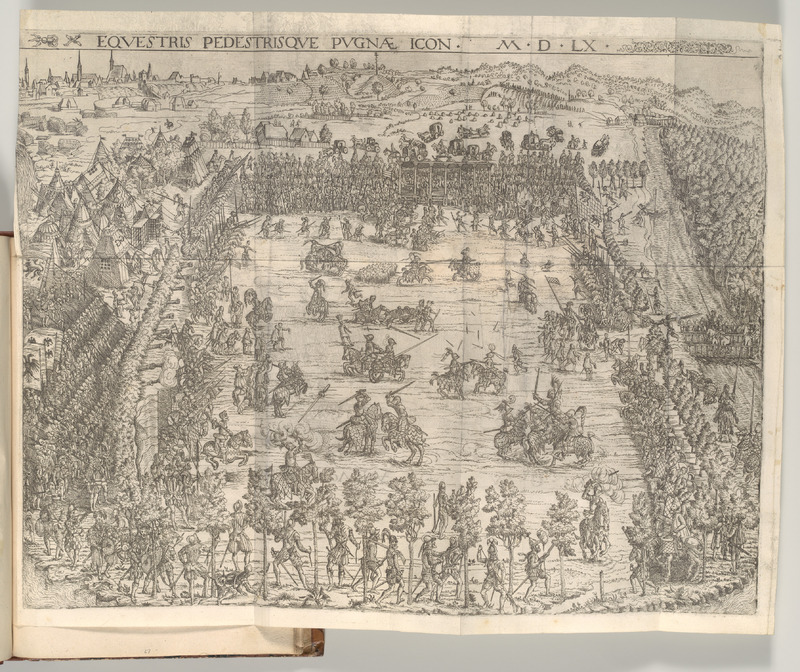
Elaborate armor, vibrant and exuberant heraldry as well as the incredibly ornate ceremonial practices were visual expressions of status, lineage, and identity. The knights displayed their personal and familial honor; nobility leveraged tournaments for prestige and socio-political influence; and spectators found belonging and community when cheering for local champions.
Tournaments are a window into the values and aspirations of the Medieval Period that are deeply resonant with that of contemporary sports culture. These cultural performances were more than just violent displays of martial skill. The Middle Ages was a time of incredible artistic expression and communal celebration.