Heraldry and Identity
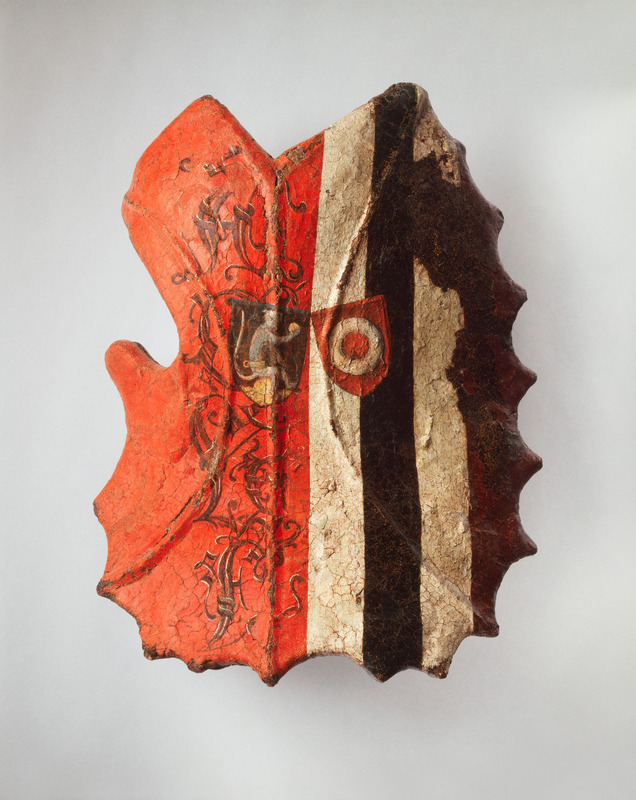
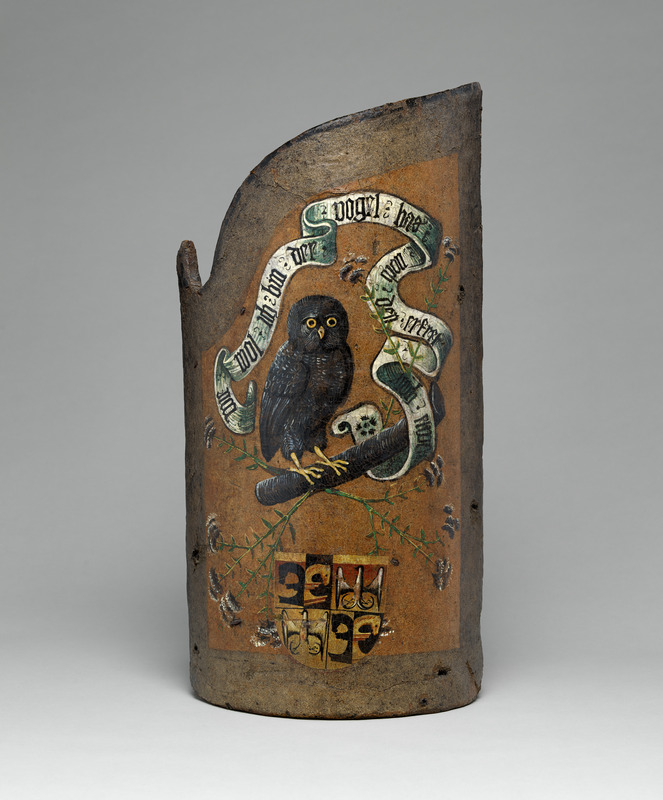
The heraldry and ceremonial displays are very similar to the team branding that are used in modern team sports. A team’s jersey or uniform is an indication of affiliation to a particular organization. This affiliation marks a connection and represents identity. For the knight this identity was a loyalty to kinship connections as well as an indicator of status and wealth. For the spectator on the other hand it may represent a connection to the locality of where they live. A spectator may root for the home knight so to speak. The patrons who held the tournament also would display their heraldry for much the same reason as the knights; as a mark of status. Robert Jones in A Companion to Chivalry when writing about heraldry gives great insight “The rise of aspiring gentry seeking the status and trappings of their chivalric betters was neither wholly nor even primarily military. Their family honour and their personal status were not predicated on their being seen on the battlefield, but came from recognition in their communities”. These imagery and symbolism displays were artistic representations of class, status and wealth that were a core component of the medieval tournament along with broader medieval society that were colorful and prominent. Further examples that were in contrast to the often drab, dark, and muddy themes often associated with media in the modern era. Heraldry is another connection that modern sport has to the medieval past.
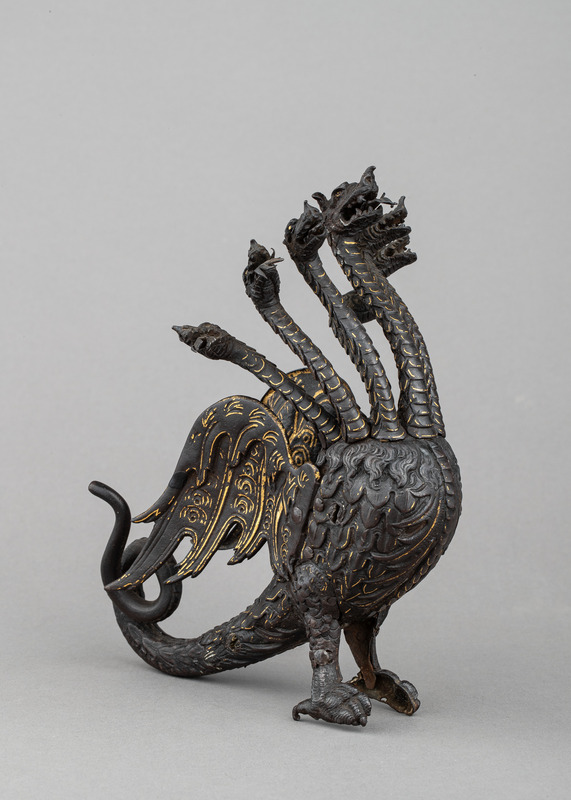
The armor and heraldry of the knights would be incredibly colorful, often an indication of status and prestige in the chivalric circles of the social elite of medieval Europe. These arms and armor, decorated in the heraldry of the different competing houses could be considered works of art in their own right as it took considerable skill, time, and money to produce these custom and bespoke pieces of kit. “The elaboration of ceremony and ritual and the love of colour – are apparent elsewhere, and nowhere more plainly than in the development of the tournament and of jousting and in the extravagant vows (often associated with the performance of feats in the lists) to which knights of the late middle ages chose ceremoniously to pledge themselves”. The armor used in tournaments was often very different from the arms and armor of the battlefield. The armament of the battlefield would be incredibly utilitarian and drab in appearance in many cases, though those of higher status would have very decorative pieces of kit. The arms and armor of the tournament were often specifically designed for a particular use in mind, such as functioning optimally for a joust and nothing else, while also being incredibly aesthetic. This pageantry was to indicate not only status, and be identifying markers but also were a display of the character to whom would be wearing the items.