The Entertainment of Pageantry
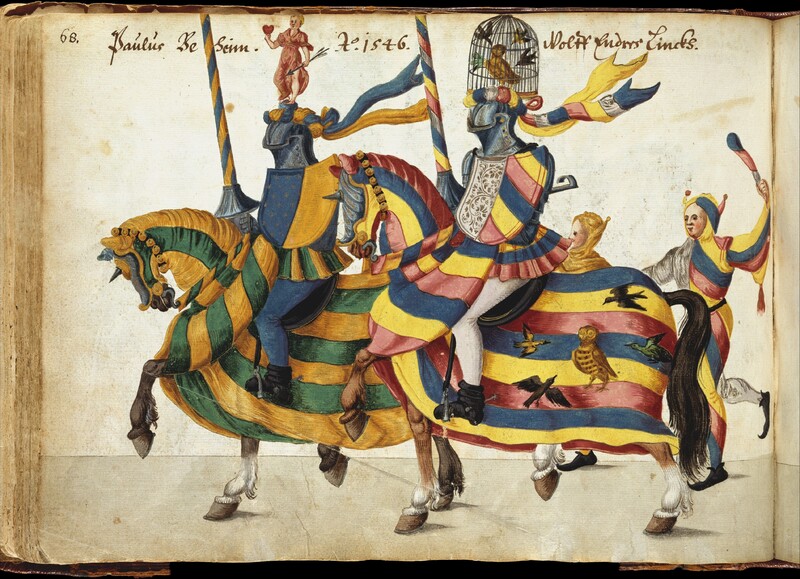
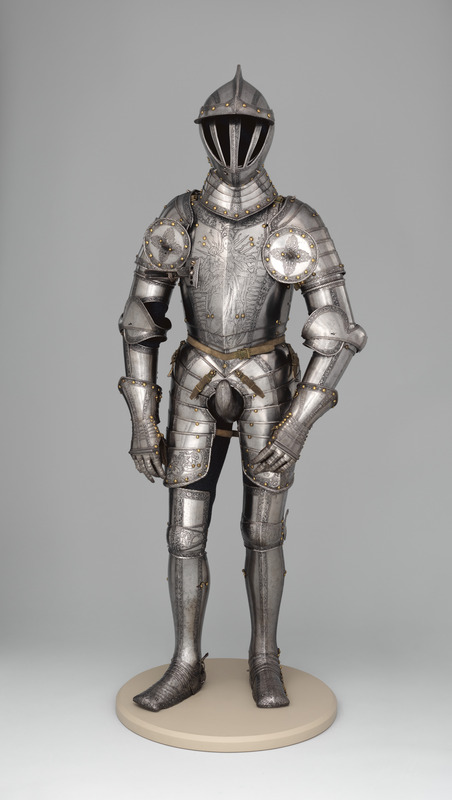
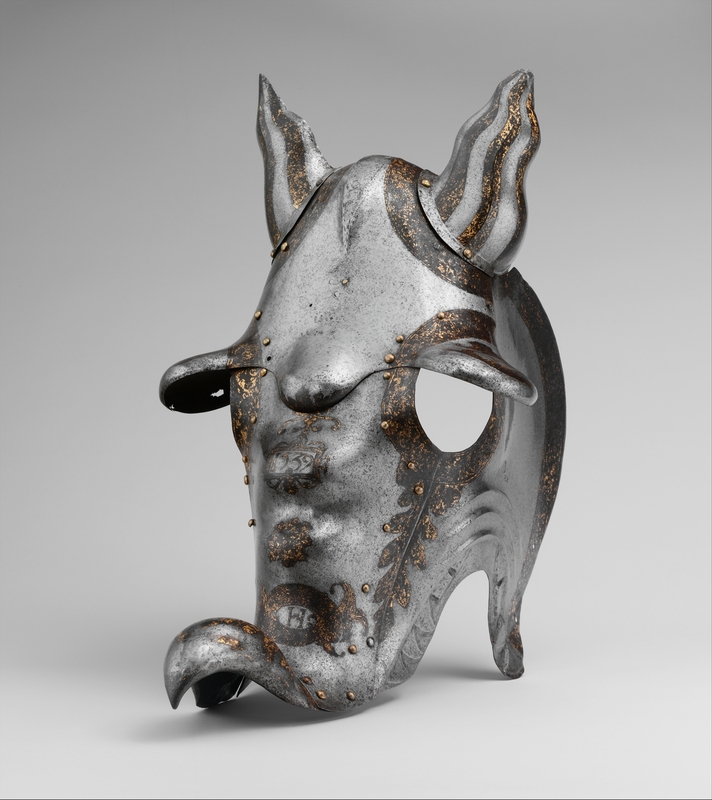
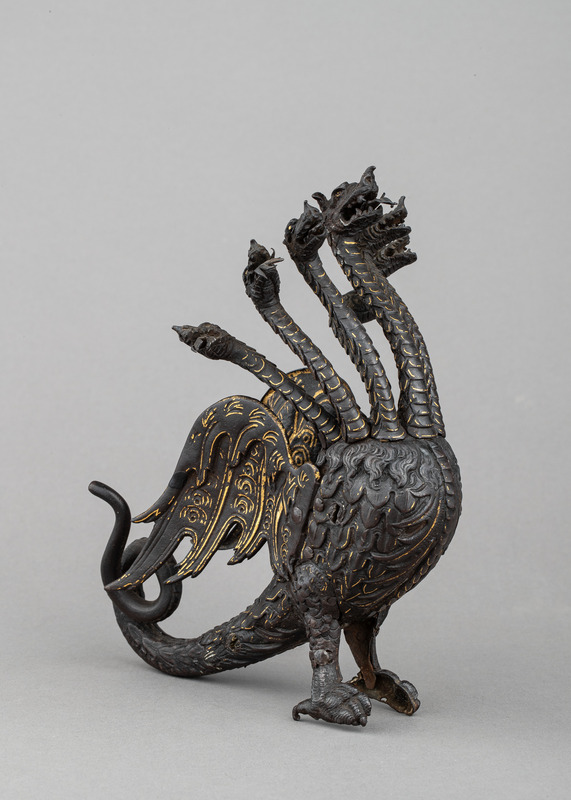
The pageantry of the tournament was an elaborate visual, ceremonial, and symbolic display that transformed the martial sport into a performance. The High and Late Middle Ages saw the tournament transformed from dangerous training exercises and formal combat into a choreographed event that was filled with color, ritual and artistic expression, for both the knights wearing the armor and the armorsmiths who created the the utilitarian works of art. Some of the armors in this exhibit were made for royalty and are just as much expressions of status, identity and chivalry as they are used for protection. The knight did not simply participate in the tournament to fight but to perform for the specatators.
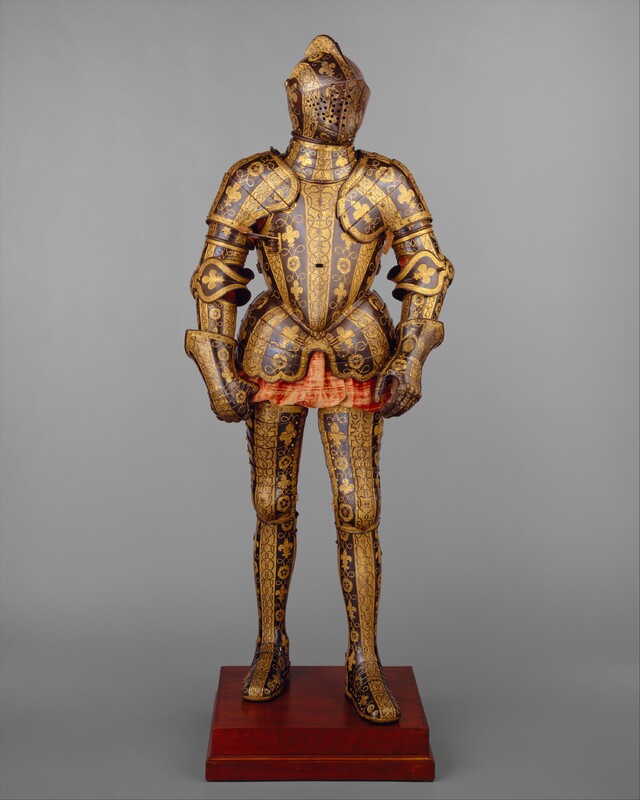
Knights entered the lists wearing incredibly ornate armor that was designed specifically for tournament use, often featuring engraved plates, crests, plumes and other decorative elements that were designed to display status and wealth. These pieces were bespoke works of art that represented a visual symbolism of prestige. Horses were draped in caparisons, a textile covering that carried the heraldy and amplified the visual spectacle.
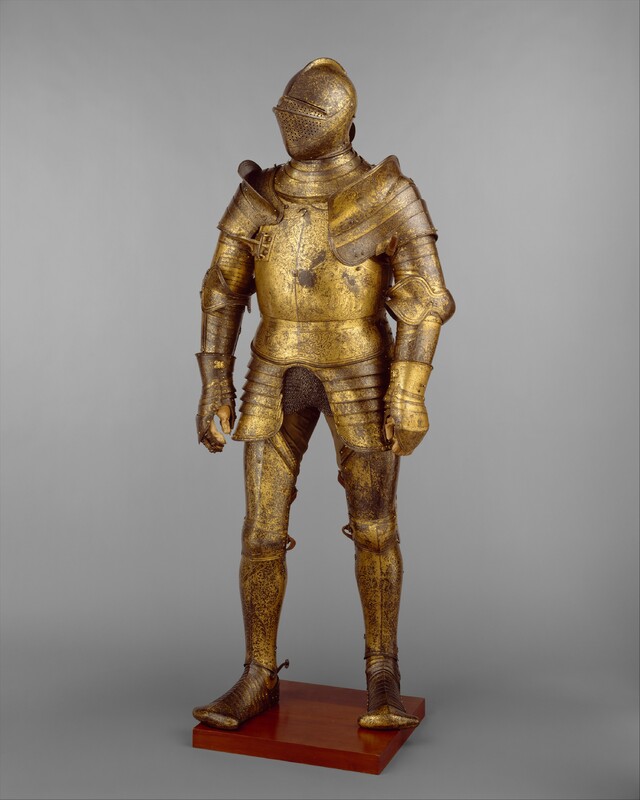
Knights often went in parade accompanied by musicians, trumpeters and other members of their retinue while bearing their coat of arms to represent their family or lord that they represented. The lists were decorated with banners and colors of the host and was often decorated with the heraldry in a symbolic display medieval marketing projecting power and presitge. Pageanty was at the heart of the medieval tournament especially in the High and Late Medieval Ages. It elevated the martial sport into a dramatized cultural performance. The vibrancy of colors, symbolism, theatricality are echoes of influence in the ceremoneis and visual culture surrounding modern sports.