The Tilt
What the tournament was to become is very different from the early days of the melee. It exemplified pageantry, chivalry, spectacle, and formalization that was to be much more present in the second half of the medieval tournament's life. “From the time of Chretien de Troyes in the last quarter of the twelfth century, descriptions of magnificent tournaments fill page after page of chivalric romance. In a splendid instance of art and life playing leapfrog, the imagined become the actual; the actual outdoes even the imagined. Each great occasion must be decorated with its magnificent tournament. ‘No knight should avoid a tournament if he can get there in time’”. The joust was the central element of the tournament in the late medieval ages, connecting all the pieces of pageantry, chivalry and spectacle.
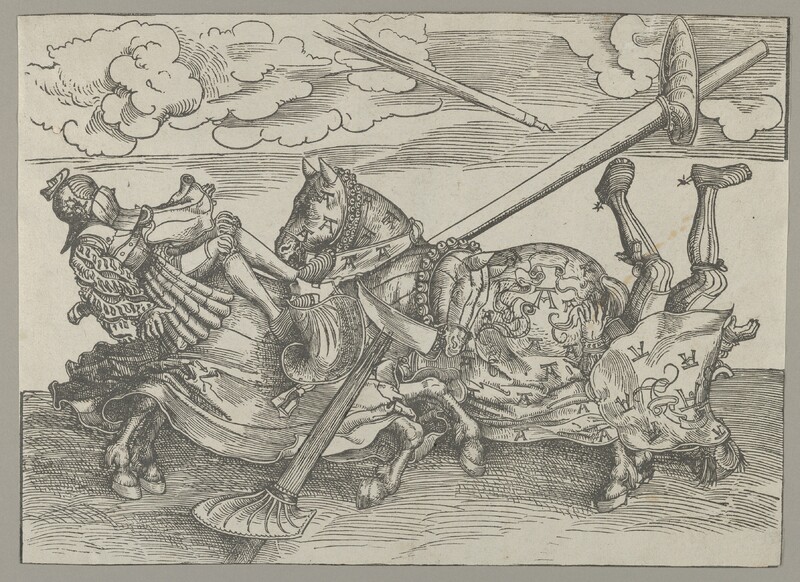
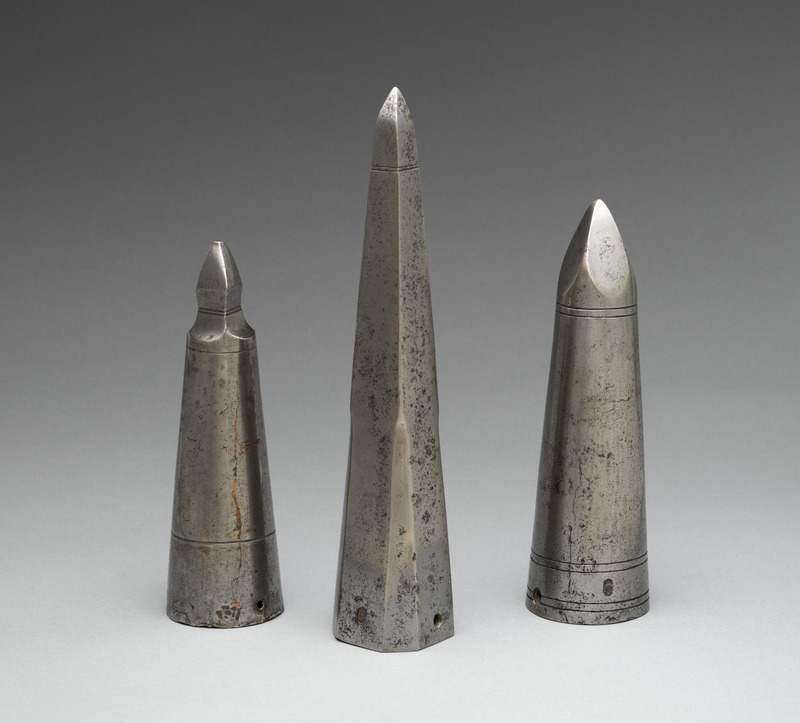
The tilt, joust, or Joust of Peace involved two riders on horseback covered in armor from head to feet in most cases, as well as their trusty steed. Equipped with a lance, a form of spear that was held under the arm instead of over the shoulder, that had a modified head known as a coronel. The coronel was either a blunted tip or the tip was split into multiple blunted ends to spread the impact and to break apart the lance upon a successful hit. The riders would ride at great speed towards each other and attempt to either break the lance upon their opponents' shields or armor. A broken lance or dismounting the rider from the horse was considered a success. The first to break three lances or unhorse their opponent was considered the victor of that match.
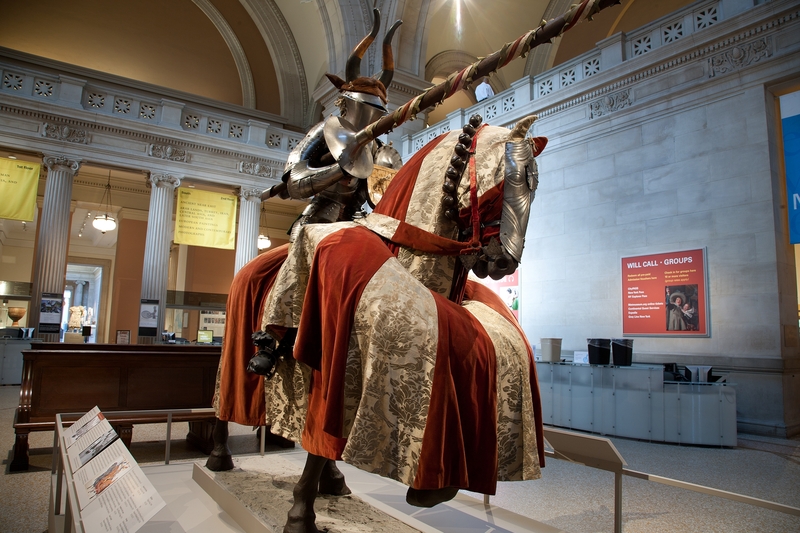
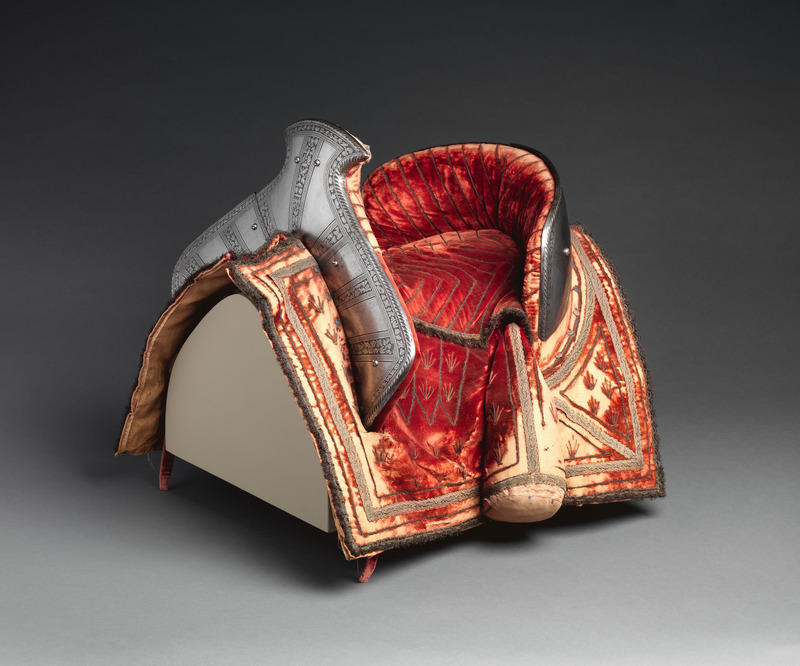
The Joust of War