Pockets, Power, and Gender
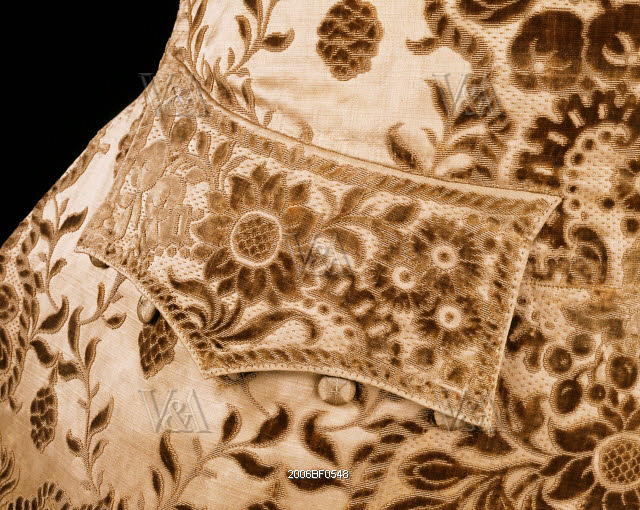
Men’s Waistcoat Pocket Detail (covered flap for pocket). Victoria and Albert Museum. Unknown. 1750-1759.
Pockets are not just functional, but connected to power, status, and privacy. This is why tailors have integrated sewn-in pockets into men’s clothing since the 16th Century, while women's clothing persisted without any pockets.
The radical impact of women’s widespread adoption of tie-on pockets in Britain between 1650 and the late 19th Century provides a powerful example of the transformational potential of pockets. In fact, the history of pockets and their significance for women’s agency, empowerment, and safety exists in many cultures and across different periods of time. The social anxieties and pejorative associations of pockets connect to both class and gender across many cultures, especially for women. The distrust, disdain, and vilification of women’s pockets, or rather women with pockets, spans many contexts and spaces, directly impacting the material reality of women’s lives.
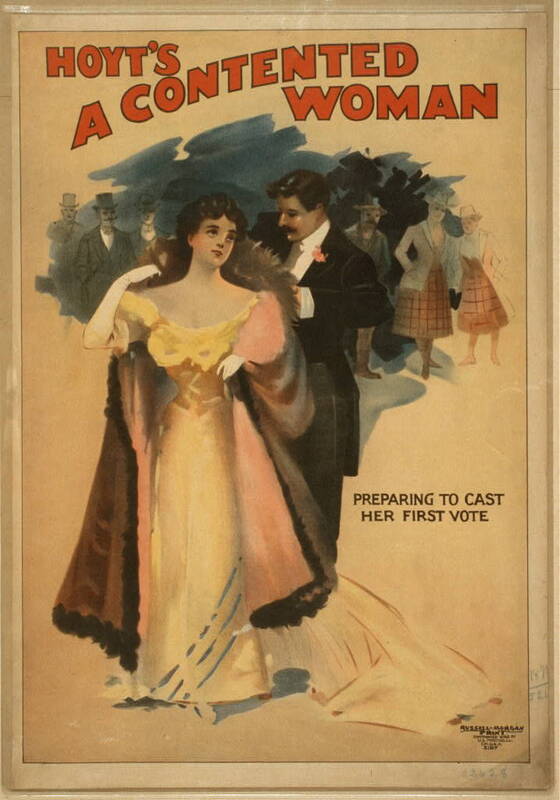
Hoyt's A Contented Woman. U.S. Printing Co. 1898.
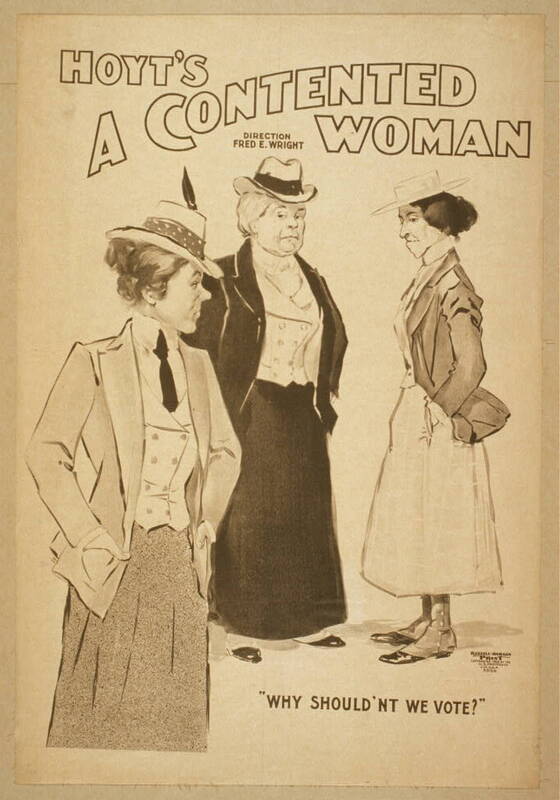
Hoyt's A Contented Woman. U.S. Printing Co. 1898.
Pockets, Politics, and Femininity
The connection between men, pockets, and power has provoked the routine representation of pockets as unattractive and manly for women. This strategy manifested in representations of women’s efforts for political participation and dominant ideas about what makes women attractive. In the 19th Century, representations of unhappy, unattractive suffragettes with pockets intended to undermine and discourage women from such political movements. Contrasting with positive representations of ideal femininity, these efforts sought to discourage women’s participation in the movement for emancipation. Similarly, the popularity of the many pocketed ‘suffragette suit’ amongst women in the early 20th century serves as an excellent example of how fashion combined women’s desire for pockets with their symbolic claim to equality and empowerment. Action that contrasted with the vilification of the suit in the media.
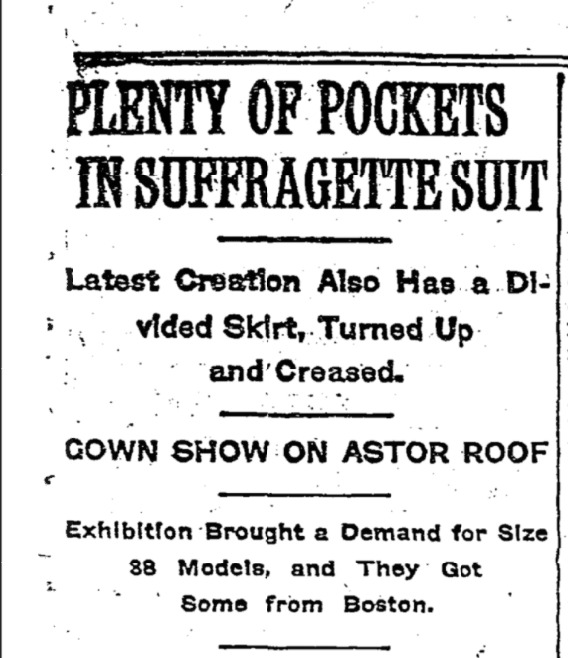
Plenty of Pockets in Suffragette Suit. New York Times. Monday October 10, 1910.
Pockets adopted by women for 'bad' purposes has been a common historical association. But these 'bad' purposes are mainly a product of their association with the social politics of women’s action and agency. This is why women have often adopted pockets as a symbolic of political empowerment in addition to the functionality and agency they provide. From a feminist perspective, pockets embody the idea of clothing as an “affordance transforming technology” that defies the restrictive and oppressive consequences of women’s clothing.
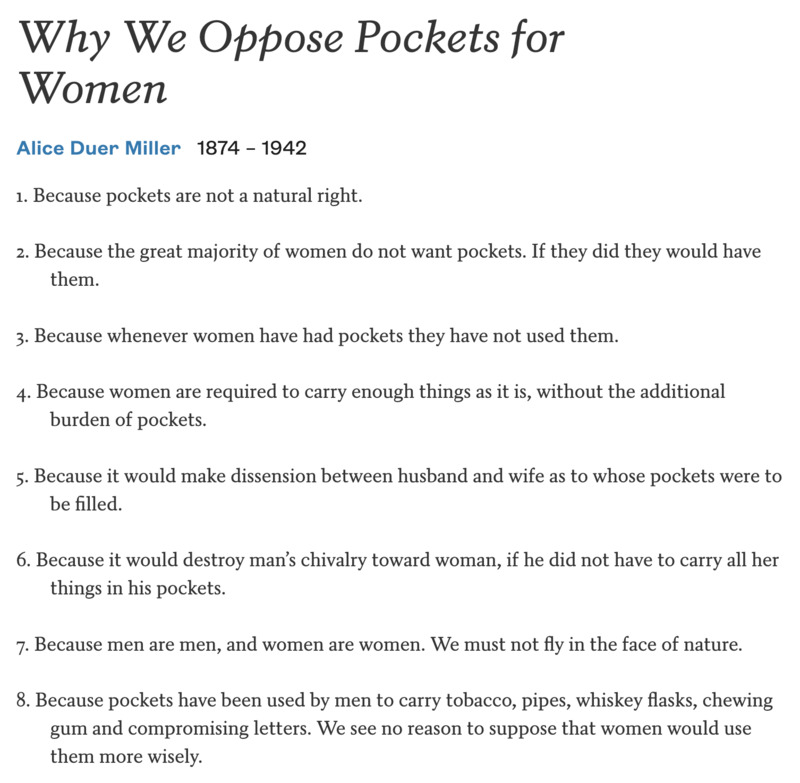
Satirical article by Alex Duer Miller published in the New York Tribune, 1914.