Mainstreaming Drag
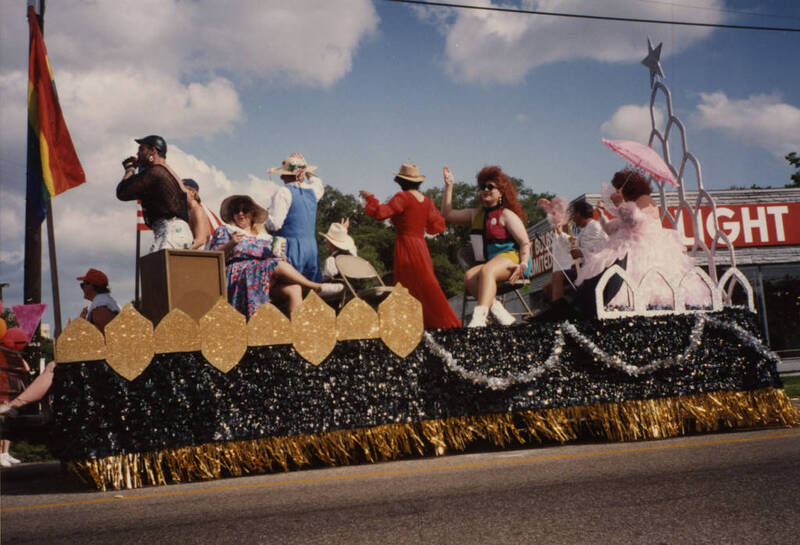
The isolation of the 80s for queer and transgender groups did not last long. The 1990s marked an incredible turning point for drag as it was brought into the broader social consciousness of America. Most Americans' understanding of drag begins with Madonna’s chart topping song “Vogue.” Released in 1990, the “Vogue” music video featured ballroom performers like Jose Xtravagnaza and propelled the queer ballroom scene of New York into the limelight. Six months later, Jenny Livingston’s documentary Paris is Burning premiered, highlighting the drag queens living and working in New York City during the late 1980s. The documentary had monumental success, and gave people outside of the drag community an intimate look at what drag performers do. In this photo of the 14th annual Houston Pride Parade, drag queens even head one of the floats. Solidyfying its place as an important movement in both pop culture and political activism. The progress made towards acceptance during this time was completely monumental. Music videos and documentaries propelled drag forward into the brand new social scene of the heterosexual world. A somewhat unfamiliar space for drag artists, the importance and intricacies of drag were heavily lost in translation.
The development of drag into these public spaces was met with some concerns from queer communities. The generalization of drag created by both “Vogue” and Paris is Burning led to a fundamental misunderstanding and gentrification of the art form itself. Madonna effectively took vogue out of the marginalized communities and niche subculture it had created and pushed it into a space of commercialization and spectacle. Drag then became extremely susceptible to change and interpretation from outsiders unfamiliar with the art forms. Understanding the history of subcultures like vogue and drag is incredibly important in keeping these art forms from being gentrified and commercialized. Commercialization risks exclusion or erasure of the important work of drag queens and performers of color. Drag queens fought hard for their space and their right to perform, however they are also working hard to protect and respect the origins of the artform itself. The spot held by these queens on a pride parade float promotes their voices, and allows them to continue to express themselves and represent their history.
"Some of them say that we're sick, we're crazy. And some of them think that we are the most special things on Earth"
Supermodel of the World
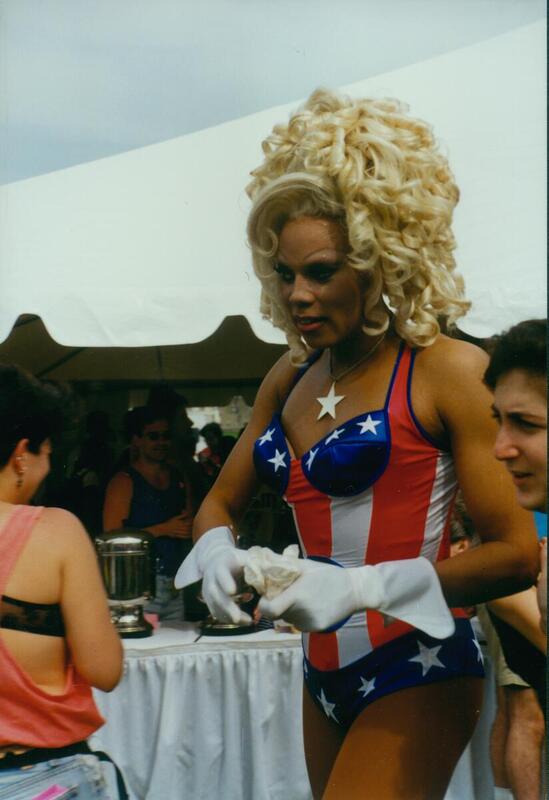
The growth of drag into general pop culture knowledge continued with the start of RuPaul’s Drag Race, which has been spiking in production quality and popularity since its release in 2009. The show now has a cult following, with fanbases of allies and queer people all celebrating drag. While the show is relatively new, RuPaul has been a household name in the drag community for decades. Much like Divine, she became well known for her many appearances in film, and grew into a pop culture phenomenon with her album, Supermodel of the World. RuPaul went on to be the first drag queen to be a spokesperson for MAC cosmetics and was the first openly gay individual to host a talk show. RuPaul was also no stranger to political protest. In 1993, she attended the March on Washington for Lesbian and Gay liberation sporting a patriotic number of red,white, and blue. The march was a monumental event in LGBTQ+ history, calling for the passage of a civil rights bill and the increase of funding for AIDS education. At the march, RuPaul performed her hit song "Supermodel (You Better Work), showing her support of the gay rights movement. RuPaul’s success in the 90s is a testament to the hard work of the drag queens who came before her. Without them, she would not have had the space and the ability to occupy spaces in pop culture and political protests. Drag queens, always unafraid to be themselves, were able to blossom even more into respected performing artists, community members, and human beings.
"I have one thing to say... you better work"
Understanding Drag
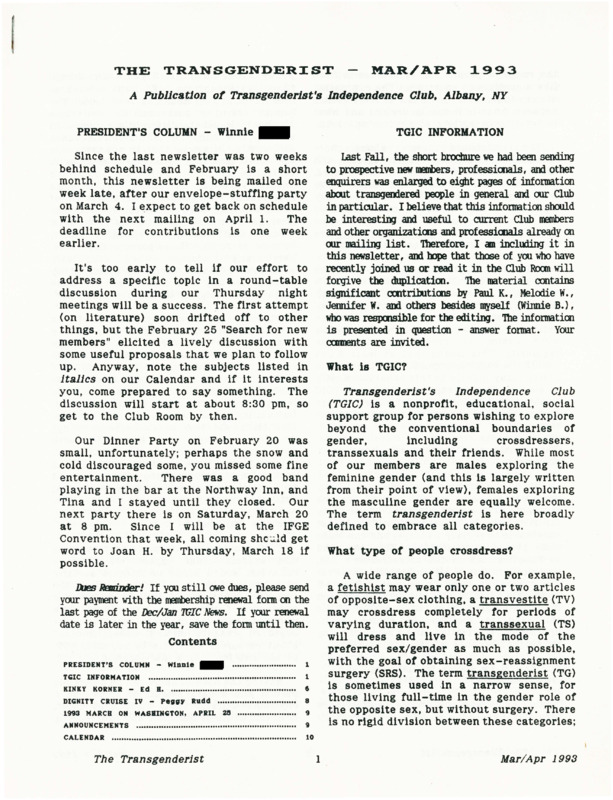
LGBTQ+ community groups continued to provide spaces for queer people of all identities to gather and socialize. The Transgenderist, a newsletter and LGBTQ+ group based in New York, hosted dinner parties and other community outreach efforts to bridge people of different sexual orientations and gender identities. The "Transgenderist" is anyone wishing to explore and experiment with the boundaries of their gender expression. The mainstream success of drag did not stop these communities from flourishing and promoting political progress for the LGBTQ+ community.
While Drag Race, and the previously mentioned pop culture moments, have contributed to the growth of drag in the pop culture sphere, it’s important that those who consume and enjoy it understand the history of drag and how the art form implemented itself into the mainstream. What first began as a Vaudeville act has become a means of expression and identity for thousands of queer people. Drag has historically been used as a political tool, and continues to be vital in the push against drag bans and other policies that are actively working against the rights of queer Americans today. Drag queens continue to show up at protests, read books to children, and express themselves freely because that is what they have always fought for. The way queer Americans are able to express their gender today, is thanks to drag queens. Drag queens are the reason many of these rights exist today, and it is our responsibility to understand the deep history and culture of the art form so we can continue to protect those liberties. The queer community is indebted to the queens that have paved the way.