"When you're a female impersonator you have to take good care of yourself"
Taking the Stage
Drag as it exists today is somewhat different from the drag that emerged in the 1910s and 20s. In fact, the term “drag” is a contemporary reference word to this art form; instead, the people who performed at nightclubs dressed as women were more commonly known as “female impersonators.” The early 20th century marked a turning point for the perception of women in American society and attitudes toward gender and sexuality, allowing for female impersonation to flourish. Female impersonation acts took the stage at Vaudeville clubs, joining alongside other variety performances for the working class. Impersonators wanted to simply entertain; in their numbers, female impersonators would perform dance numbers and sing live on stage, more similar to drag acts in America today.
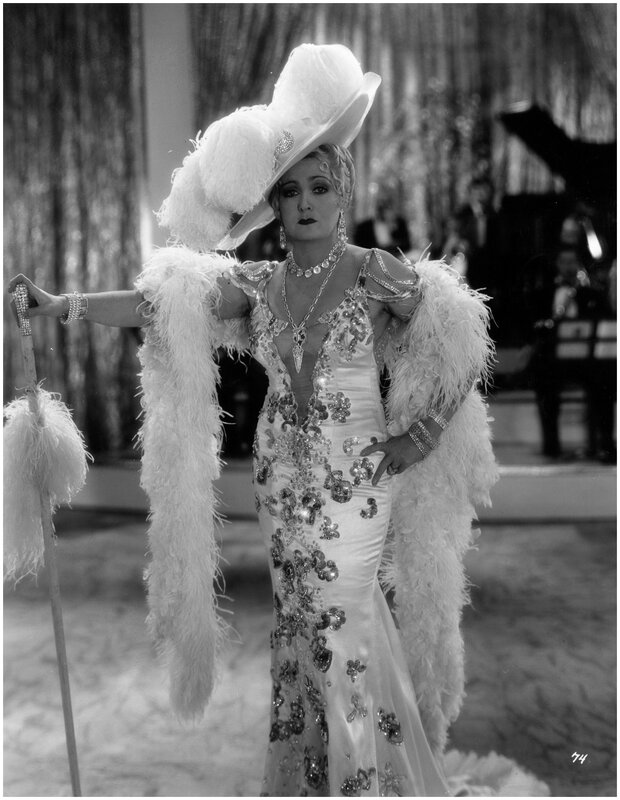
Impersonators were no stranger to the intricacies and extravagance associated with modern day drag. Performers wore dazzling dresses and fluffy feather boas. Bert Errol, a British performer who found success in the states, was known for his highly polished act and impressive vocal range. He is depicted here wearing one of the spectacular gowns he'd use for his stage shows. This is just one of many images that show the polished and detailed craftsmanship of female impersonators, setting the stage for the evolution of the art form.
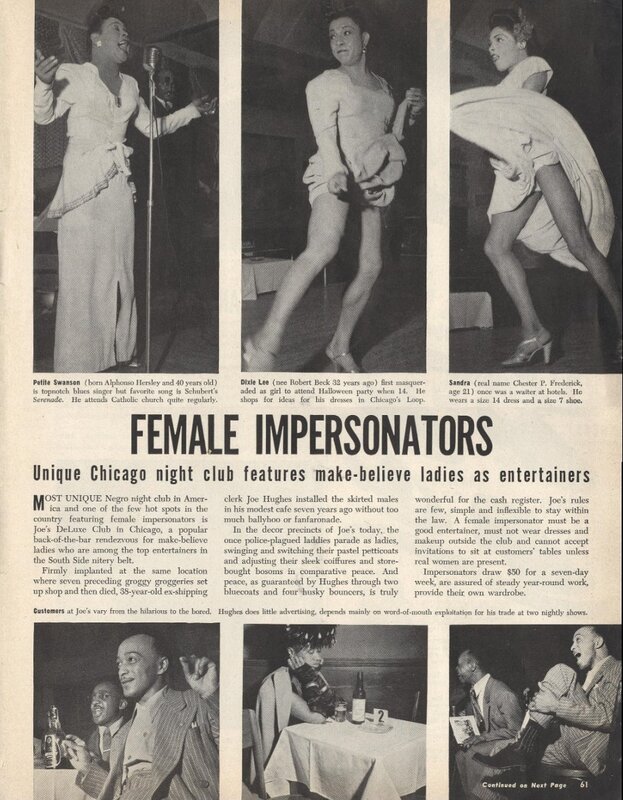
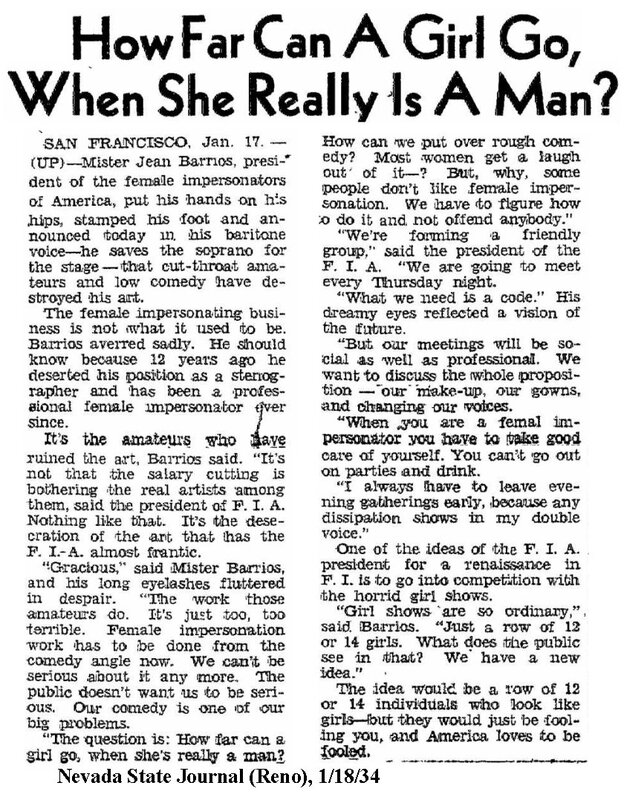
Into the 1930s and 40s, drag performances grew in popularity among tourists, with a distinctly non-homosexual audience. Big cities like Los Angeles, San Francisco, Seattle, and New York found massive success in this scene. Reviews raved for female impersonation acts. Clubs and performers were promoted in local newspapers and flyers. A newspaper article from 1946 praises Chicago nightclub performers as the, "best performers in the South Side nitery belt." Most audiences and critics loved these Vaudeville acts, as apparent in this newspaper clipping. However, the popularity of these acts within Vaudeville was not met without pushback. Critics of female impersonation acts denoted such performances as indicators of homosexuality. Clubs would not permit performers who wore dresses and makeup outside of their performances on their stage. While the article, "How Far Can a Girl Go, When She is Really a Man" praises these performances, it's clear that female impersonation was seen as just that, a man in women's clothing. The radical gender-transgressive nature of these acts would not be recognized or legitimized until much later in drag's history.
"A female Impersonator must be a good entertainer, must not wear dresses and makeup outside the club and cannot asccept invitatins to sit at customers' table unless real women are present"
Out of the Spotlight
While female impersonation was not exclusively performed by homosexuals, it began playing an important part in queer spaces in the 1920s. Gay men of all backgrounds began organizing public drag balls throughout the United States to create a safe, accepting place to dance with other men. Queer people would use these spaces and venues for female impersonation as a safe-haven for sexual identity before the gay liberation movement gave them spaces to gather publicly. Female impersonation offered a venue of gender expression and experimentation that would become foundational for transgender identities and movements. Places such as Finnochio’s in San Francisco, while not exclusively queer, provided space for queer people to congregate and employment for queer and transgender people. The rise of drag’s popularity in these speakeasy and Vaudeville acts allowed for queer people to find safety and expression through the act of female impersonation during a time when LGBTQ+ freedom was restricted.
Following World War II, the attack on the rights of LGBTQ+ individuals increased, and the scene of female impersonation shifted into a far more private and niche sphere. Vaudeville shows lost patrons to the growing medium of radio and television, and restrictions were put in place on female impersonation in bars, cafes, and restaurants. The restrictions on these performances, and increased discrimination against queer individuals, caused drag performances to find their way into more exclusively gay commercial spaces. This was drag's first radical act of protest against the political establishments that sought to minimize their freedom of expression. Rather than female impersonation quietly resigning to discrimination and homophobia, it found a new home with queer companions that would keep the art form alive for decades to come. Silencing queer expression is an impossible task, and the early drag queens and female impersonators of the Vaudeville era would not go without a fight.