Introduction
Elisabeth Louise Vigée Le-Brun was navigating a world that wasn’t set up for women to succeed in a career, despite not having formal training, supporting her family financially, and surviving a Revolution while still creating works.
"I recount all this in order to prove to you that painting was innate in me. This love has never diminished; on the contrary, I believe it has increased with time. Today, I am still moved by the charm of my art and hope that its power will only crease with my ife. Besides, it is to this divine passion that I owe not only my fortune, but my also my happiness."
Elisabeth Louise Vigée Le-Brun
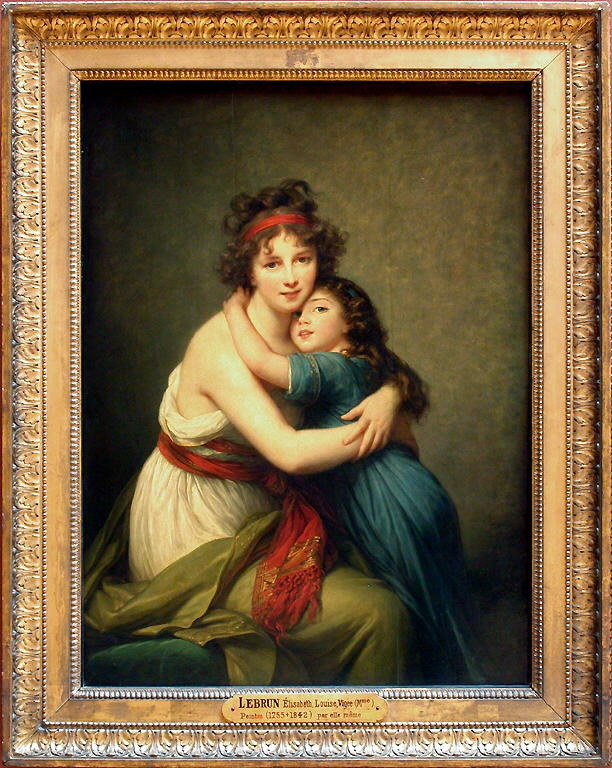
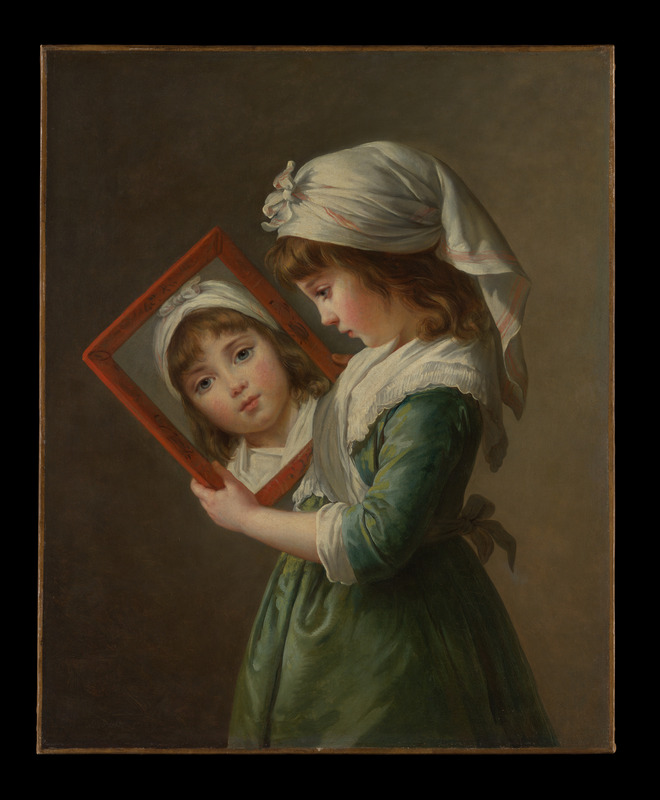
Elisabeth Louise Vigée-Le Brun (1755- 1842) overcame many challenges while working as an artist in late 1700s France. She was a self-taught artist and a sole provider for her family. She navigated pre- and post-Revolution France by overcoming the social implications of being a working woman in France during the late 1700s. During the 18th Century in France, it wasn't typical for a woman to study art, let alone to receive an education. Elisabeth didn't have formal training as an artist, but because of her family and family influences, she experienced a wide range of exposure to artists of the time and before her time. Elisabeth would go on to study under some artists during the 1700s and would even become the portrait artist to Queen Marie Antoinette. Working as an artist, Elisabeth Louise Vigée-Le Brun would also go on to paint portraits of the aristocracy in France and would eventually lead her to Europe, continuing to focus on portraits as her main subject matter.
Class and wealth are what led to the opportunity for women to gain access to an education, and during the 18th Century, with the rise and spreading of information, more women started to advocate for women's rights and for women to be allowed into institutions to be regarded as their male counterparts. With more women advocating for equal rights after the French Revolution, the fight for gender equality was put on the back burner. The progress that was made before the Revolution was lost, and many women who started to receive more opportunities were now obsolete when the Revolution was over. Elisabeth's main subject matter centered around either the Royal Court or the aristocracy of the time, and would shape most of her life in France, and when she fled from the French Revolution.