How Literature Fragmented Her Legacy
HER 18–19TH CENTURY SURGE IN FAME
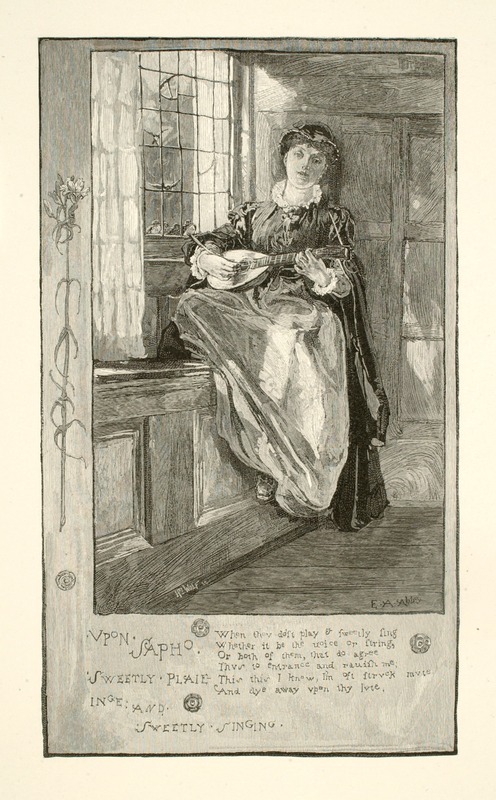
In the eighteenth century, Romanticism emerged. In line with this, western society developed a newfound interest in antiquity and classical poetry, focusing especially on emotion and imagination. Sappho was a historical figure of interest during this time, as people revisited and re-translated what little writing they possessed of her, analyzing it and growing a new audience for it, as the subject of her poetry—love, desire, relationships—fit almost perfectly into their worldview. She continued to regain fame moving into the nineteenth century as tattered and damaged papyri containing fragments of her poetry were discovered in Egypt throughout the century.
LA AVVENTURE DI SAFFO
In the 4th-century BCE, approximately two centuries after Sappho’s death, a Greek play called The Leukadia came into fruition. It gained enough renown for it to inspire the writer Ovid (43 BCE–17 CE) to write the Heroides. Both of these stories featured Sappho as a character, exploring her tragic romance with a man named Phaon—a mythical boatman. These stories culminate in her affections being rejected by Phaon, pushing her into great enough distress to cause her to leap from the cliff of Leucas into the sea, an act of suicide. In the late eighteenth century, Alessandro Verri (1741–1816) published La Avventure di Saffo, taking inspiration from the same storylines in The Leukadia and Heroides.
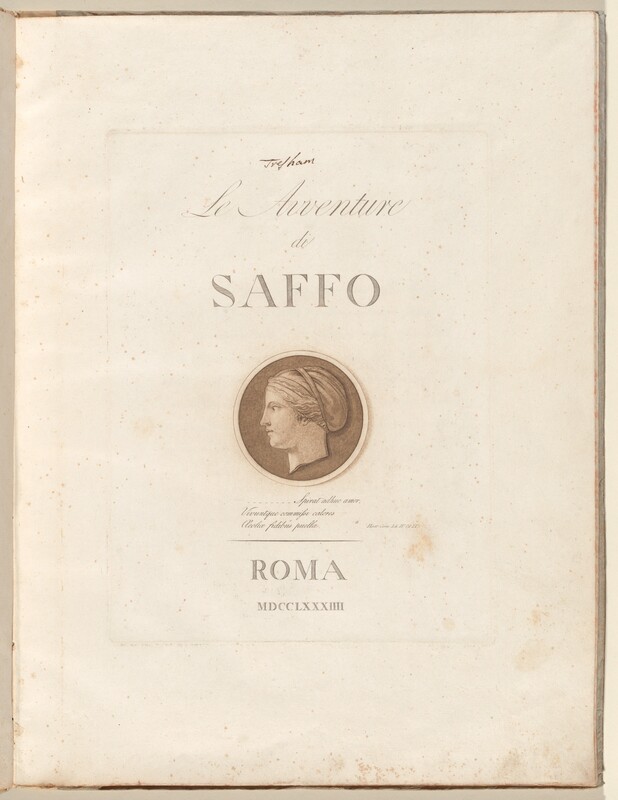
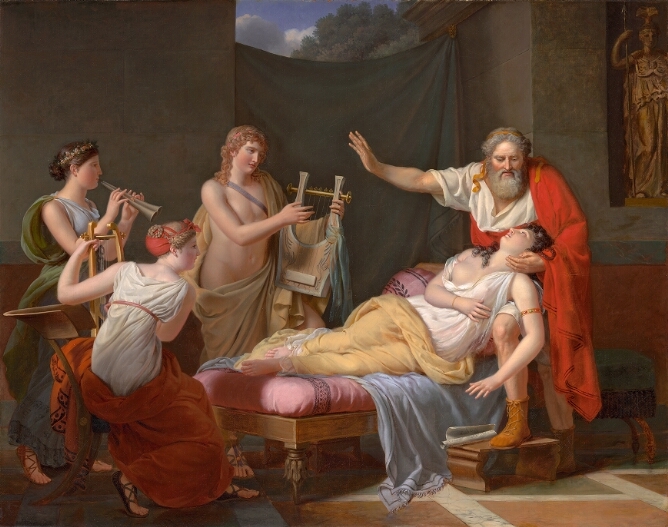
La Avventure di Saffo is a work of fiction that explores the poet’s relationships, platforming her affections for Phaon most of all. Verri’s version of Sappho acknowledges her queerness and expressions of attraction to women. However, it diminishes it in the same vein. Her love for Phaon changes this fictional Sappho’s perception of romance and love to the point that the work claims her previous relationships with women lack the same depth that she feels for the aforementioned man. As such, the focus of her one heterosexual attraction overshadows her previous homosexual attractions.
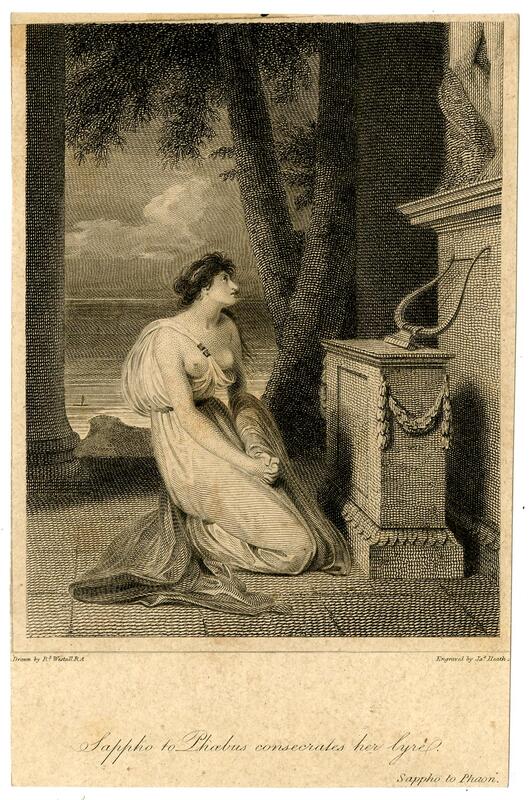
This story gained an audience in tandem with her surge in popularity. It inspired a great variety of works within the same era of its publication, but its focus and fictional nature altered the way Sappho was viewed. Many art pieces from this period depict the poet as seen in La Avventure di Saffo, or The Leukadia and Heroides. That is to say, that they focused on her relentless distress over her unrequited love of Phaon.
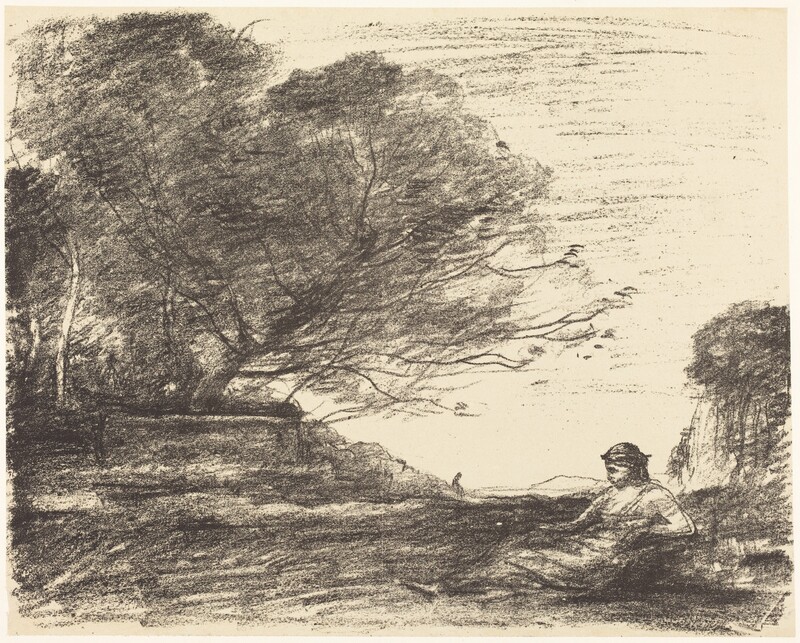
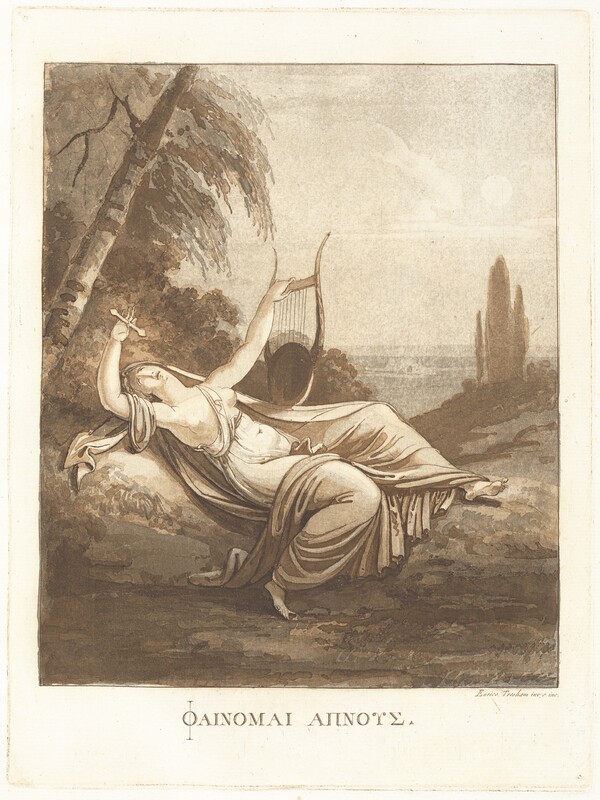
Perhaps the most troubling aspect of this particular fictionalization of the poet is that it happened at a time when her works were emerging into popular academic and literary circles. She was once more turned into a character whose story veered from her truer public image. With the fame of her poetry and the fame of these tales, the actual poet and the characterization of the poet blurred together. Over time, critics and audiences of either works would often confused her tale of tragic romance and suicide with the objective truth.