The Tale of Sappho's Death
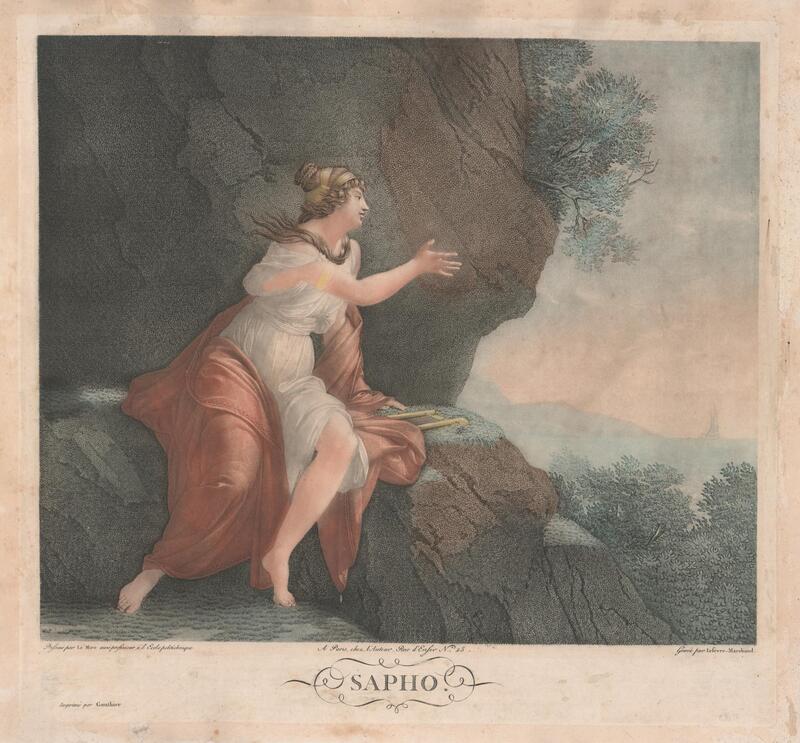
THE LEUCADIAN CLIFF
The sight of Sappho present at a Leucadian cliffside is heavily prominent in the vast body of artworks that depict the famous poet. In culminating a fictional tale about Sappho in which she ultimately commits suicide by leaping from these cliffs into the sea, authors like Alessandro Verri and Ovid had built a tragic image for the poet—one which did not connect in the slightest to the verifiable truth of her person or her poetry. They curated a character out of the real historical figure. Unfortunately, their fictions got tangled with “truth” across the centuries as they continually recurred. Many have confused their Sappho, a character, with the real Sappho, the classic poet of antiquity whose life remains mostly a mystery to scholars.
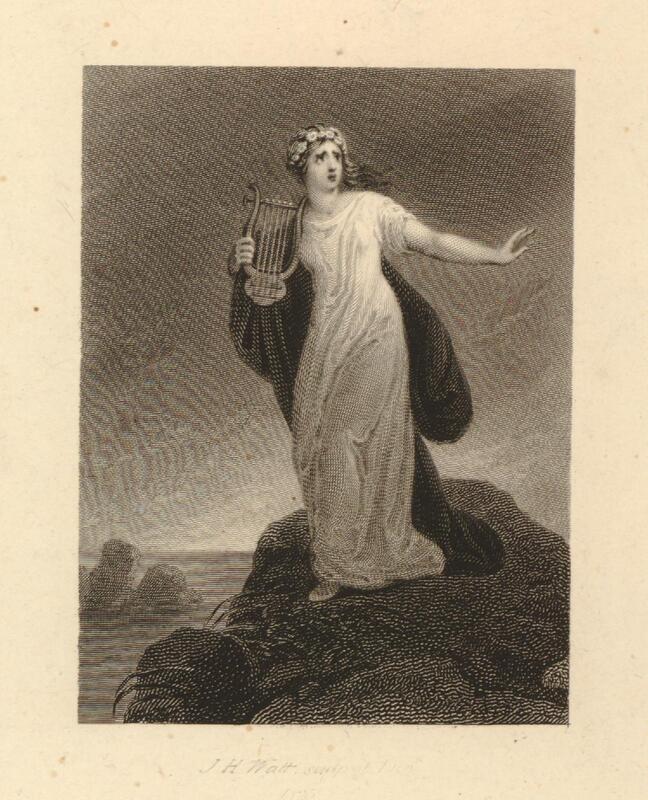
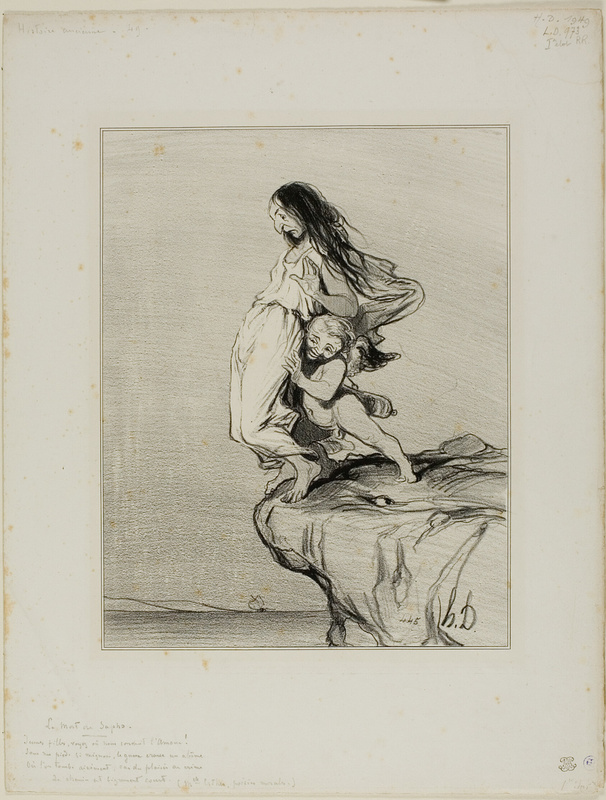
WHY IS HER “SUICIDE” POPULAR?
The combination of the publication of La Avventure di Saffo (by Alessandro Verri) in tandem with her rise in popularity amidst the eighteenth and nineteenth centuries sealed the fate of her image amongst art and literature. With western Europe delving into Romanticism during this time period, this tale of tragedy was favorable to artists and authors alike. Scholars who have studied interpretations of Sappho also believe that her identity as a woman and a queer author also inclined the academics, critics, and artists of this era—composed of a majority of men—to favor a characterization of the author which fell in line with more common perceptions of women. Her strong emotions, distress which leads her to commit suicide, and heterosexual attraction to a man which compels the entire tale fits more agreeably into what they desired her to be.
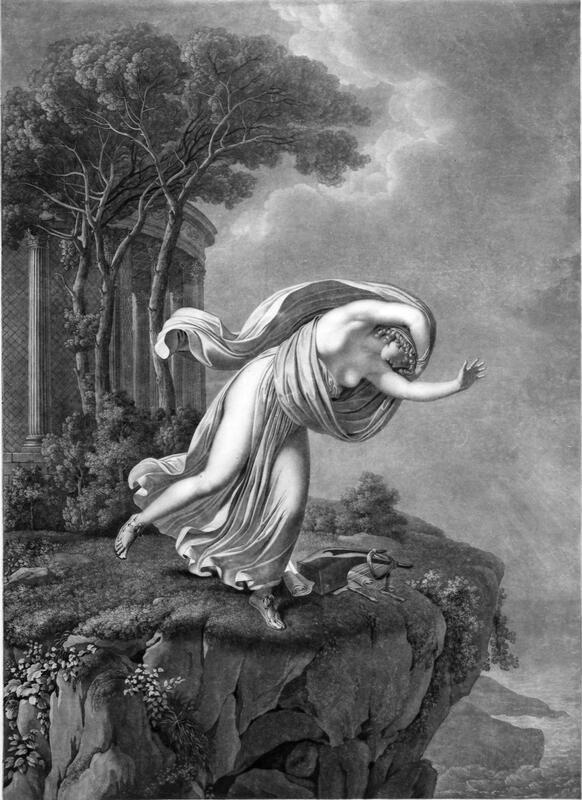
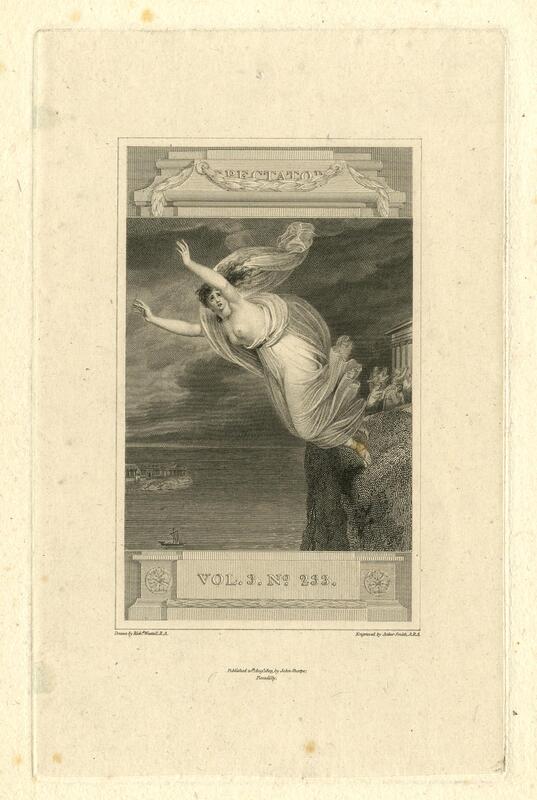
NOTES ON DEPICTIONS OF HER DEATH
The nature in which Sappho truthfully died is entirely unknown. In art and literature where this fictionalized version of her is depicted making this leap from the Leucadian cliffside, her distress upon being rejected by Phaon takes center stage. It is interesting to note that when she is characterized in these tales, she retains all the elements that are associated with her outside of them. There is little intention to differentiate the real Sappho from the character they have made her, as she bears similar attire, sometimes with Greek architecture of her time present in the background, sometimes with a lyre in her possession to indicate that it is the Sappho—the author of antiquity who composed lyrical poetry.