From Anvil to Articulation
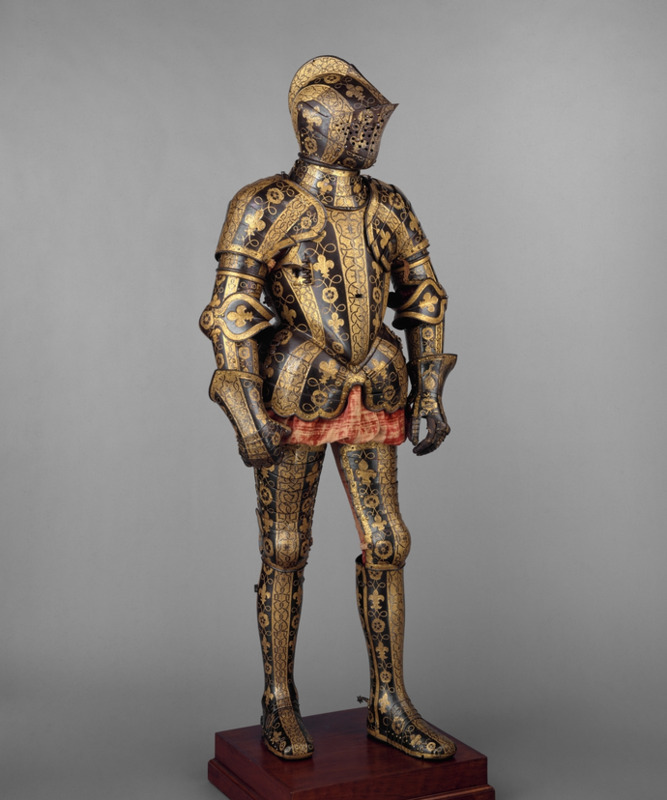
No matter what system the workshop was placed under, the stages to the craft remained fundamentally the same. First, the armorer would plan the armor, from the very simple to the very detailed, it would include decisions regarding the appearance, what supplies would be needed, and - if being made for a specific individual - the measurements of the patron. The armorer would often provide a consultation with the patron, meeting them in person in order to take measurements, which are extremely important to the fit and function of the armor, but also to observe the bearing of the patron and how they carried themselves, which would have an impact on the shape of the armor. If the armorer was unable to see the patron, either someone could go in the armorer's stead to take measurements, or a mock-up could be used, such as sending a doublet to the armorer as a model for the cuirass.
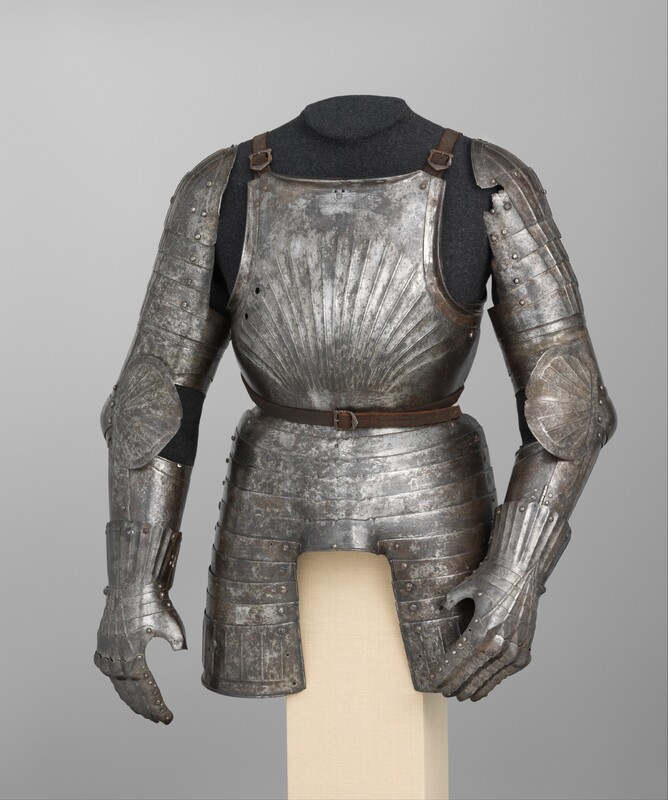
On the other end of the spectrum, munitions armor only required general sizing, with the fit being adjusted through straps, moving internal leathers, or by changing the tightness of the arming points. These armors were of lower quality and could not fit the wearer as well as the high quality armors, but rarely were they full suits so they required less complexity than full suits.
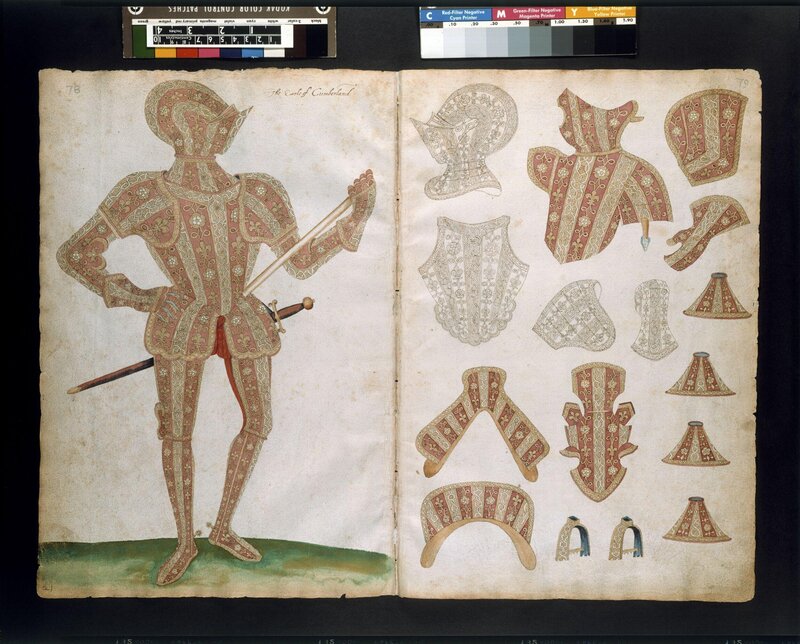
With the planning stage, a specific style of armor would need to be determined before the work could begin. While it was possible for the patron to choose a design from a pattern book - similar to a tattoo flash book today - it was more likely that the armorer and patron would together come to an agreement on style in a manner similar to a tailor. Some armorers did record their designs in albums, like the Almain Armourers Album, a book of designs by the chief armorer at the Royal Workshop in Greenwich, Jacob Halder (active 1576-1608).