Parts of a Whole
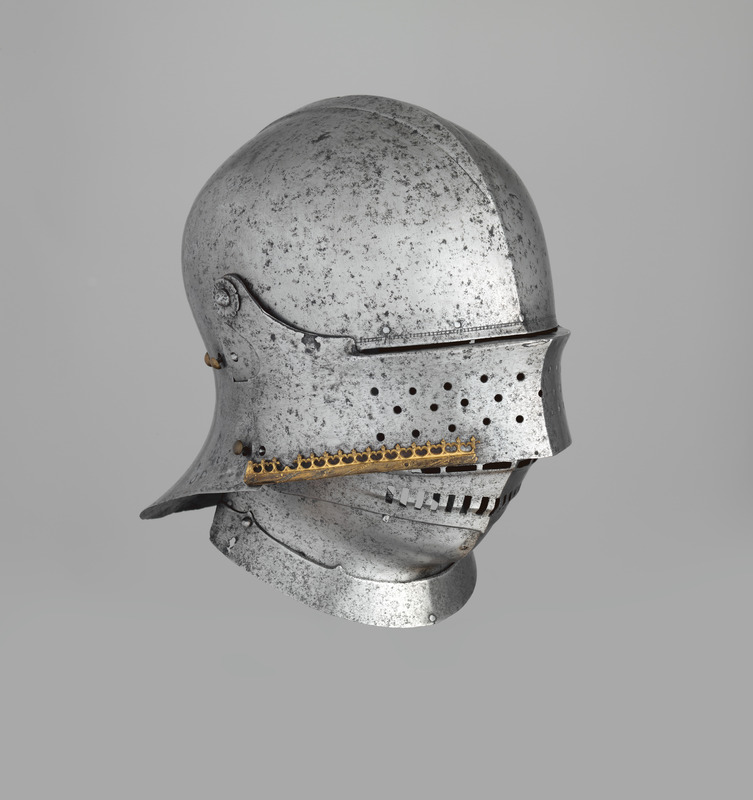
While there are several different styles used to craft a suit of armor, the parts used to make the whole harness don't change. First with the helmet, there were a variety of styles that could be worn, from open faced styles such as a burgonet, to closed faced styles such as a sallet. On a close helmet, both the visor and bevor, the upper and lower face defenses, pivot from a common point, allowing the front half of the head to open. The helmet has a medial comb for added strength in the form of a crease, ridge, or keel. The neck is then protected by a gorget, made with thin horizontal plates known as lames for increased flexibility.
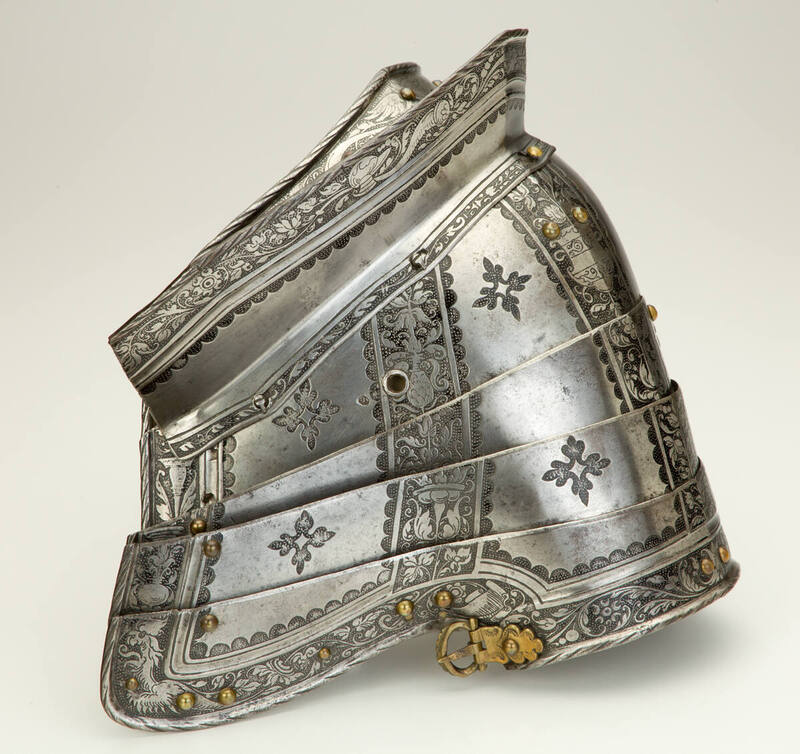
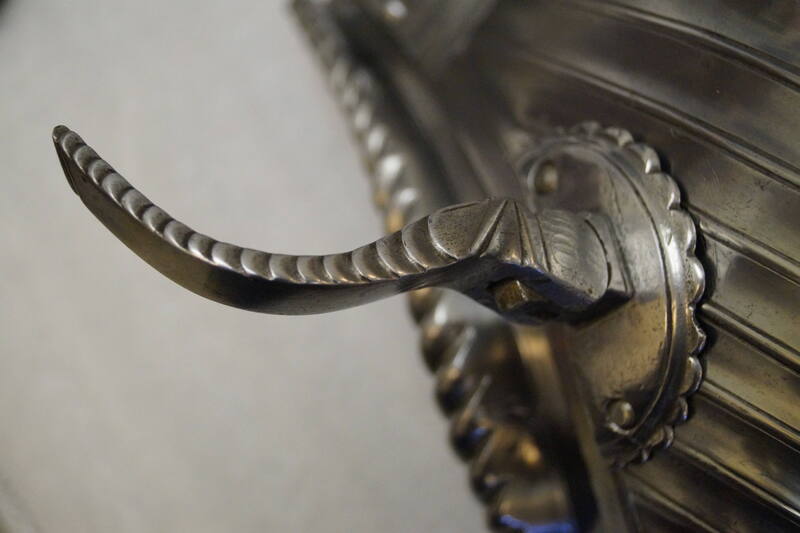
The torso is protected by both a breastplate and a backplate, together forming a cuirass. The breastplate can then be divided into two sections, an upper main plate and a lower plackart for increased flexibility, though not always the case. The breast and back plates have additional lames forming a fault and culet attatched, respectively, with the faulds extending further into upper leg defenses known as tassets. On the top half, the shoulders and upper half of the arm are covered by spaulders and/or pauldrons, with spaulders being smaller defenses and pauldrons wrapping over the shoulder to the chest and back. The breastplate often had a small hook attached to the left side of the plate, known as a lance rest, which created a shelf upon which the lance would lay, allowing the wearer's armor to absorb the shock from impact, and letting the weilder deliver a more solid blow.
The arms are divided into three separate protections. The upper arm is covered by the upper arm cannon, also known as a rerebrace, which extends down to meet with the elbow defense, known as a couter. The couter is often made with extending lames that fan out, providing additional protection to the wearer. The lower arm then is protected by the lower arm cannon, also known as the vambrace. The hands are protected by gauntlets, either mittened or fingered.

The legs are protected by cuisses which protect the upper thigh, the poleyn over the knee, which also can have extending lames on the outside of the knee for additional protection, and greaves that cover the shin. The greaves can either be made to fully enclose the leg, the outer three quarters, or only the front. The feet then would be covered by sabatons - an iron shoe made up of several articulated lames that provided extra flexibility with movement. Sabatons were generally made of at least three lames, with the more high-quality armors utilizing more , increasing flexibility.
Some suits had additional exchange pieces, known as a garniture, that are switched out with existing pieces as the need arises. Often, additional chest coverings can be added overtop as a means to protect during a joust, or gauntlets that locked in place around the hand were used to ensure the wearer did not drop their sword during a tournament.
Plate armor offered increased protection in areas that were previously weak to attacks, such as the inside of the elbow. The whole harness would be attached together through the use of small hooks which linked the armor together, and by the use of arming points, which tied the armor onto the arming jacket worn underneath a suit, protecting the body from the metal and adding comfort.