Curatorial Statement
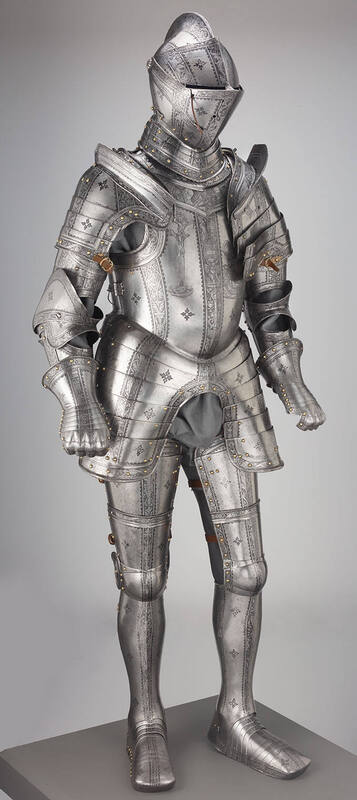
When I set out to create this digital exhibit, originally I wanted to focus on the image of a knight and the chivalric codes of conduct that they adhered to. Through my research, however, I became more interested in the way that the armor making world of the Renaissance functions, from the different types of workshops to the technological advancements made in the craft and decorative techniques that were used by armorers. Although armor has been studied before, and is a commonplace sight within fantasy movies, television, and renaissance fairs, I would argue that most of the general public does not know much about how it is crafted and worn. To that end, my primary goal of the exhibit is to explain how the craft is done, and to explore who would own a full suit of armor, and what purpose they served.
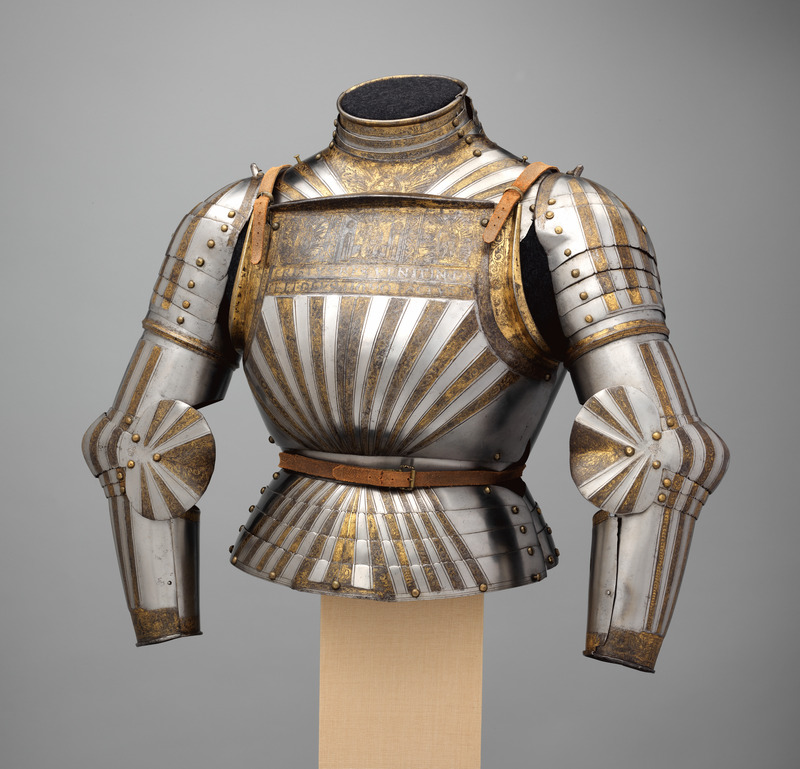
In order to achieve this goal, I focus first on how the two main centers, Milan and Augsburg, influenced the rest of Renaissance Europe with their style, through export of their armors and armorers. The two centers have clear differences between them, both in their styles, but also in how their industry functioned, and how their guild and court workshops practiced their craft. I wanted to include a focus on the crafting and decorative techniques separate from one another, as there are several techniques used for both aspects. The decorative techniques in particular fascinated me, and I wanted to highlight the many different ways there were to decorate a suit of armor, and how they served a dual purpose of style and structure. All of the objects then were chosen with care to display the techniques that the armorer used, and the different components that make up a suit of armor. Though it was impossible to include a piece to demonstrate every part of the craft and suit, I believe that the exhibit achieves its central purpose of explaining how armor was crafted and the components that made up a full harness.
Rieley Lawson

Curator Biography:
Rieley Lawson is currently a junior at Northern Arizona University. They are majoring in History, with a minor in Museum Studies. After they graduate, they plan to continue with their schooling to obtain a Masters degree, and intend to use their degrees to work in collections management.