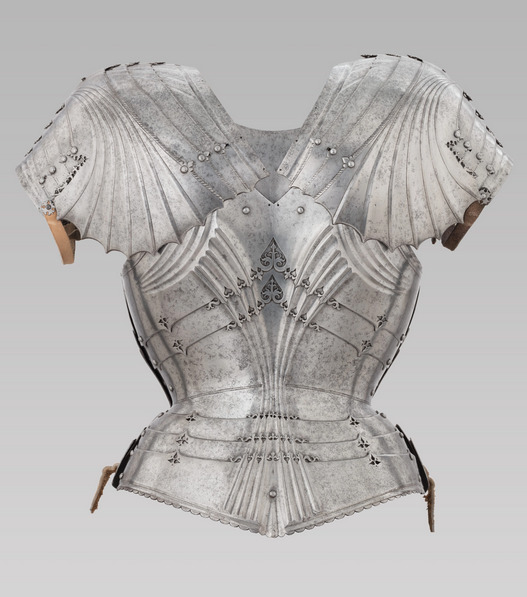
Armor Centers and Their Influence
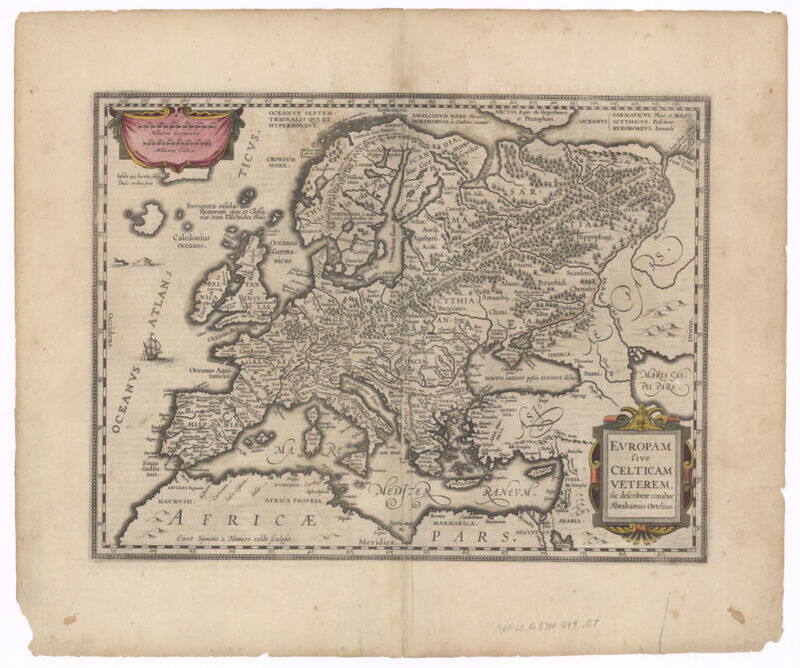
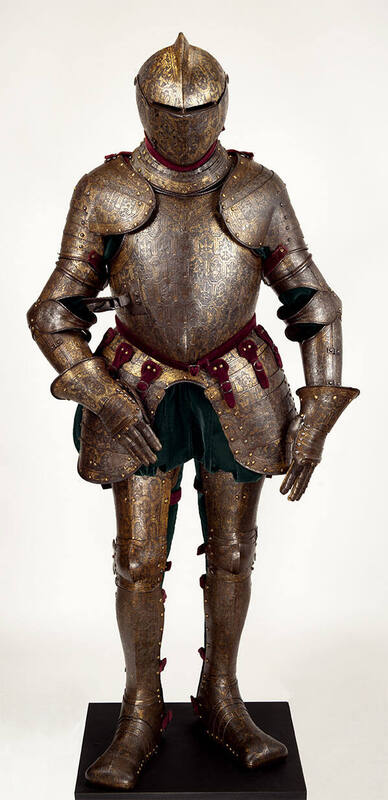
Within the armor making world there were two main centers of influence - Italy and the Holy Roman Empire, each with their own unique style. For Italy, the main center was located in the city of Milan, where the Missaglia armorer family made their home. The Missaglia family is relatively well recorded, though there were other armorer families both within and without Italy, such as the Helmschmied family within the Holy Roman Empire. Both of these regions exported large amounts of their armor around Europe, especially from court workshops, with rulers gifting armor to their royal peers around the continent. Additionally, many of these countries employed armorers from Italy and the Germanic region as their court armorers, as was the case with Henry VIII's (1491 -1547) Royal Workshop at Greenwich, where he employed armorers from the Holy Roman Empire, furthering the influence of style coming in from the nations. The Alpine region, where the two nations met, featured a hybrid style with features from both Italy and the Germanic regions.
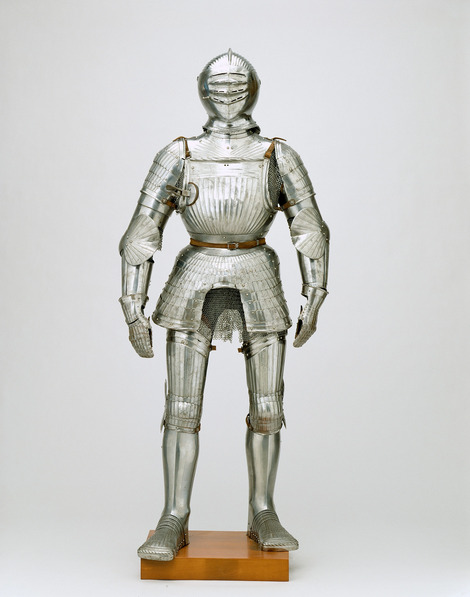
In Italy, the style of armor was usually asymmetrical, with the left side - the first point of the enemy's attack - being protected by larger plates. The plates were also rounded, heavier in appearance than their German counterparts, with less obtrusive decorations. Around the middle of the 15th century, Italy also began producing armor designed to imitate the style used by the heroes of classical antiquity, with "muscled cuirasses" and similarly designed armor becoming fashionable for use in court activities.
In contrast, the style coming out from modern-day Germany favored a more symmetrical and slender outline, emphasizing elegance through use of decorative techniques such as fluting. The edges of the plates were often decoratively cut or embellished with gold and brass borders, reminiscent of Gothic designs.